What is a homogenizer?
A homogenizer is a machine that breaks droplets and particles in a liquid down to a fine, even size and spreads them through the product, so an emulsion or suspension stays uniform and stable. It is also written homogeniser.
Industrial homogenizers work in one of three ways:
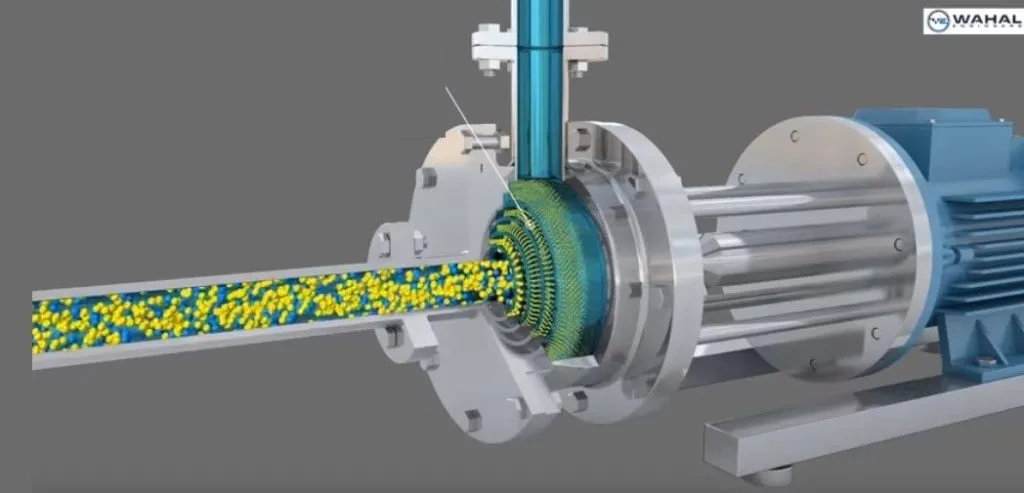
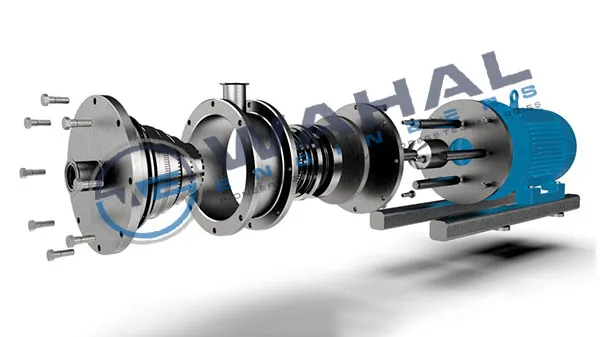
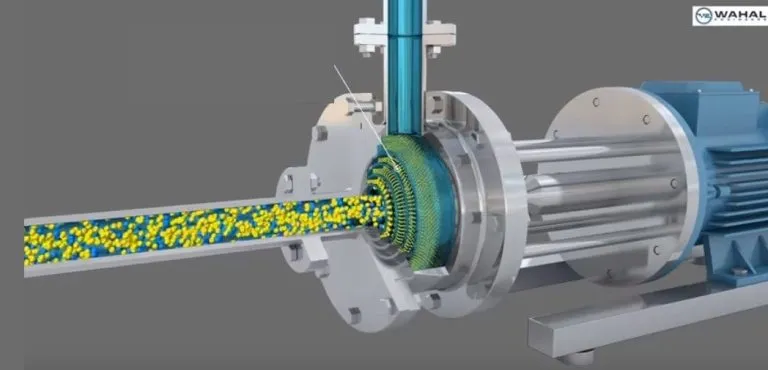
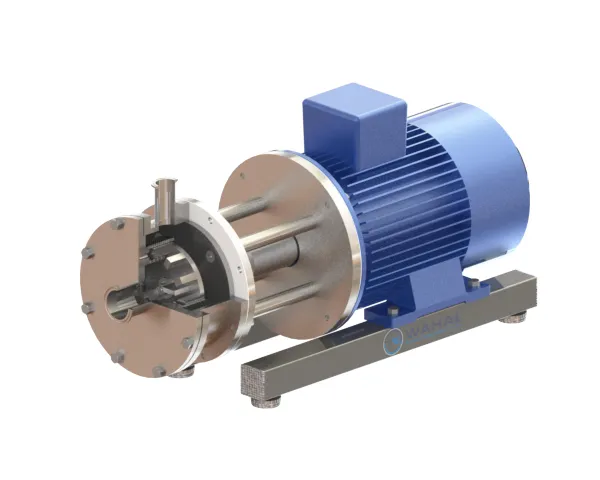
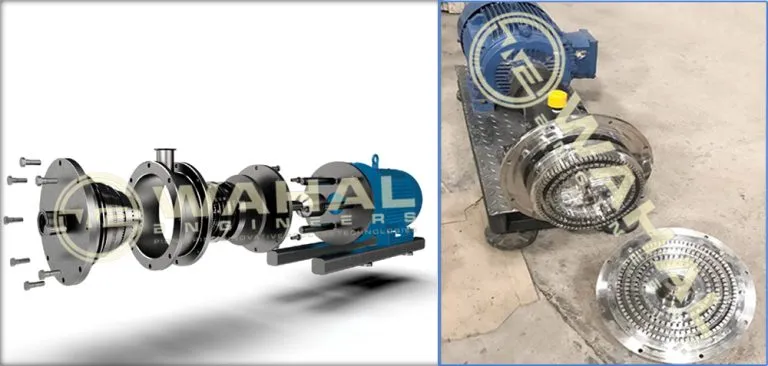
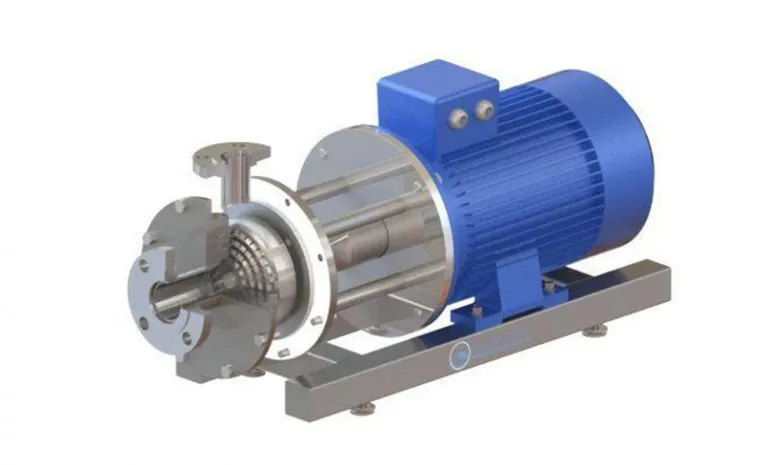
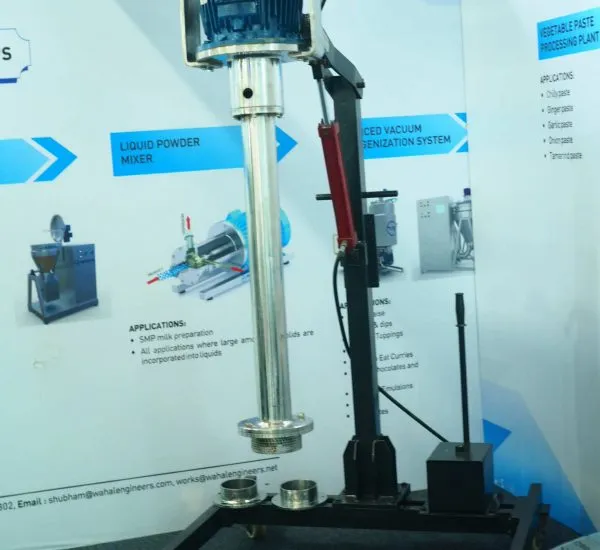
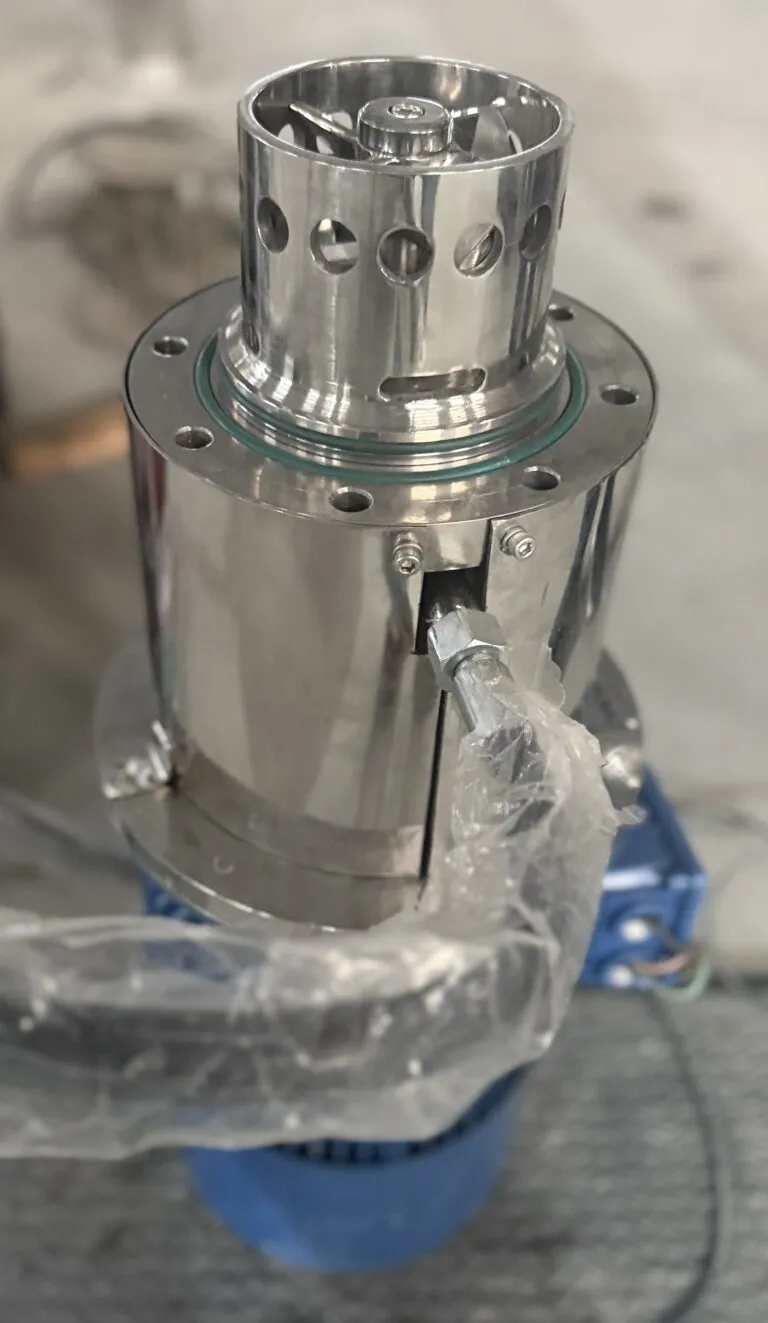
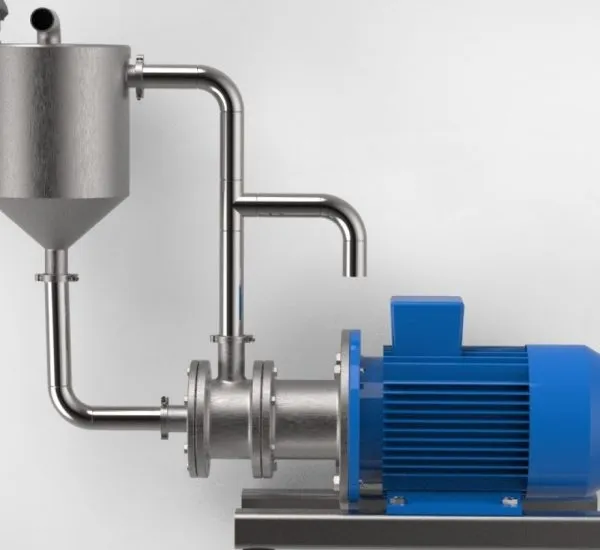
- Rotor-stator (high shear). A rotor spinning inside a close-fitting stator shears the product. It works inline, in the vessel or from under it.
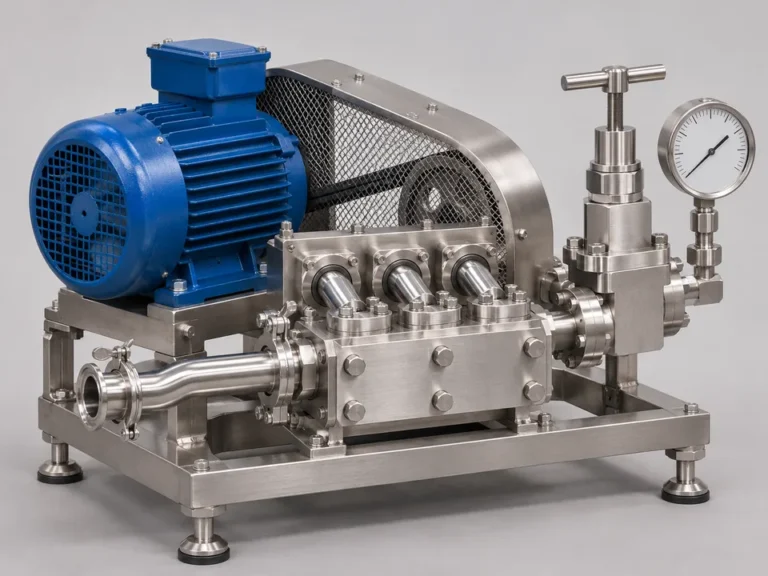
- High pressure. A high-pressure pump homogenizer, for particle sizes in the nano range.
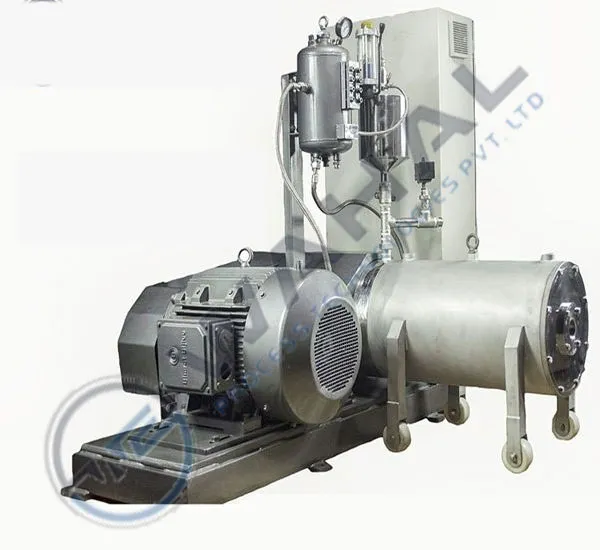
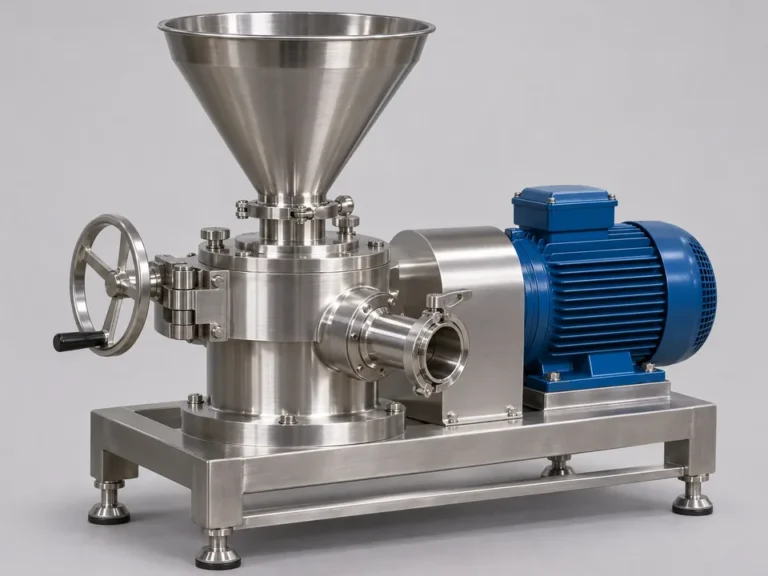
- Colloid mill. The product is sheared in the narrow gap between the polished surfaces of a high-speed rotor and a fixed stator.
Homogenizer types compared
| Type | How it works | How fine | Scale | Typical uses |
|---|---|---|---|---|
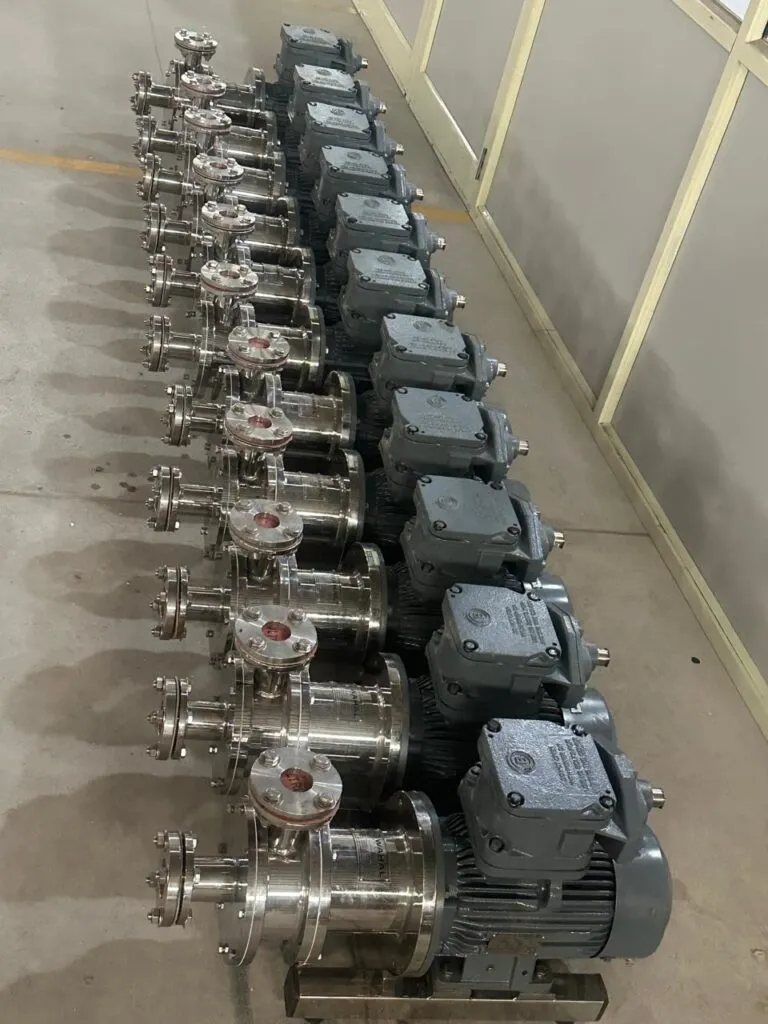
| Inline high shear homogenizer | 1, 2 or 4 rotor-stator stages in the pipeline; self-pumping | Finer with each stage; the four-stage model often reaches the target in one pass | 15–200,000 L/hr | Continuous production and single-pass emulsions and dispersions |
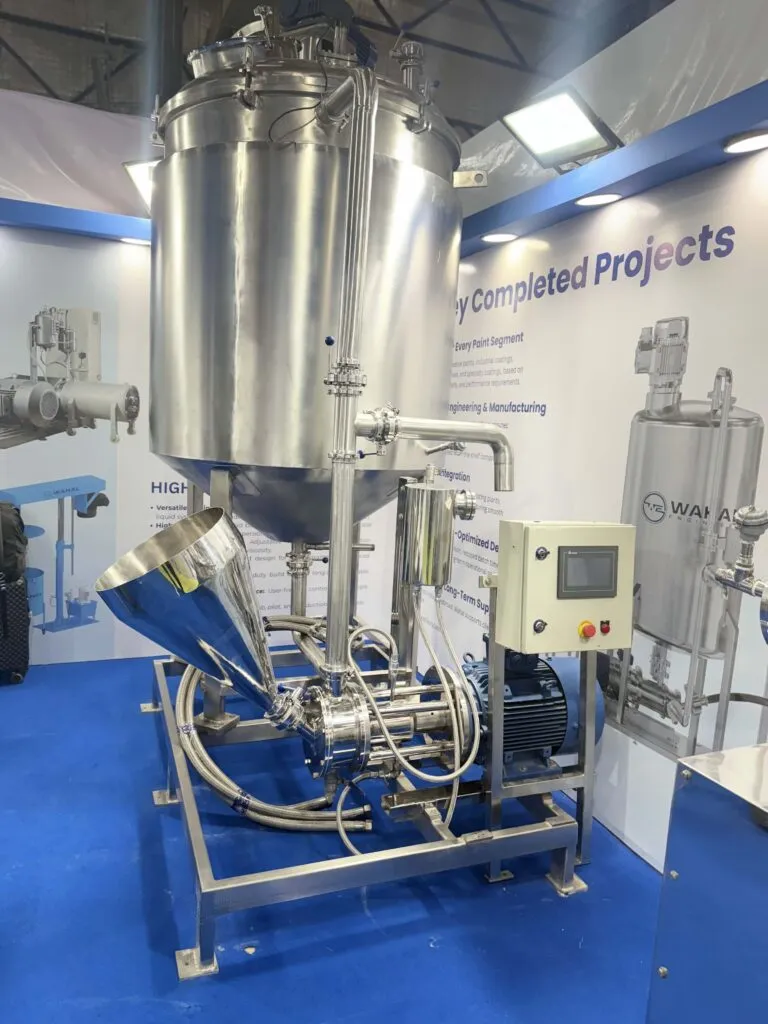
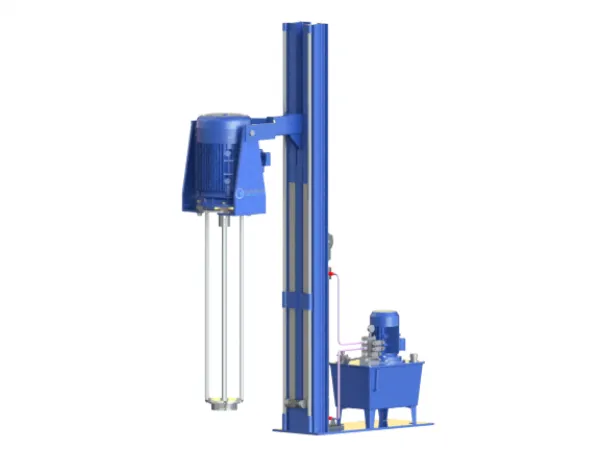
| Batch high shear homogenizer | Rotor-stator inside the vessel: in-tank or enclosed shaft | Fine emulsions and dispersions, set by the stator design | Built to the vessel; 1–50,000 cP | GMP batches (enclosed shaft) and chemicals (in-tank) |
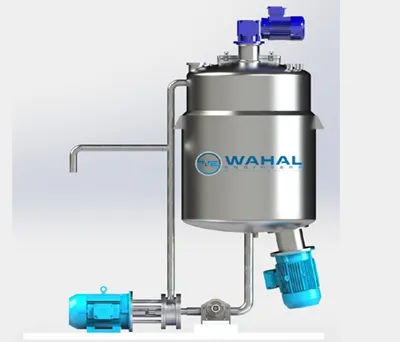
| Bottom mounted homogenizer | Rotor-stator driven from under the vessel, working on the whole batch | Fine emulsions and dispersions, set by the stator design | Built to the vessel | Hard solids, blocks, rubber bales and powder dissolution |
| High pressure homogenizer | A high-pressure pump homogenizer; works best on a fine, uniform premix | Nano range | Pump sizes from laboratory to industry | Milk products, cell disruption, infusion solutions, microemulsions |
| Colloid mill | Polished rotor and fixed stator with a narrow gap; single or multi-stage | A few micrometres; down to 0.5 µm with our multi-stage mill on bitumen emulsion | Single or multi-stage | Sauces, mayonnaise, peanut butter, ointments, creams, bitumen emulsion |
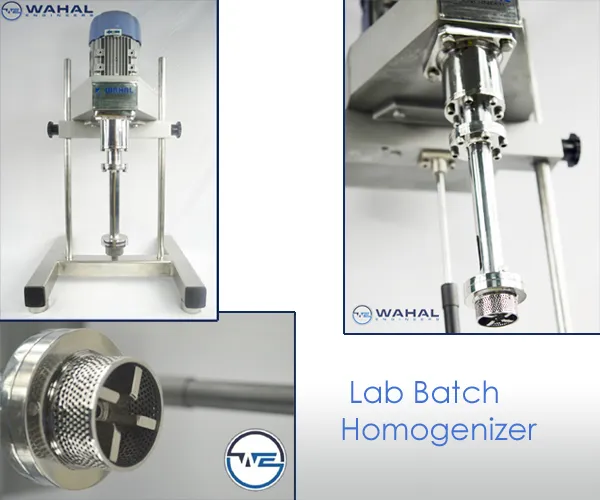
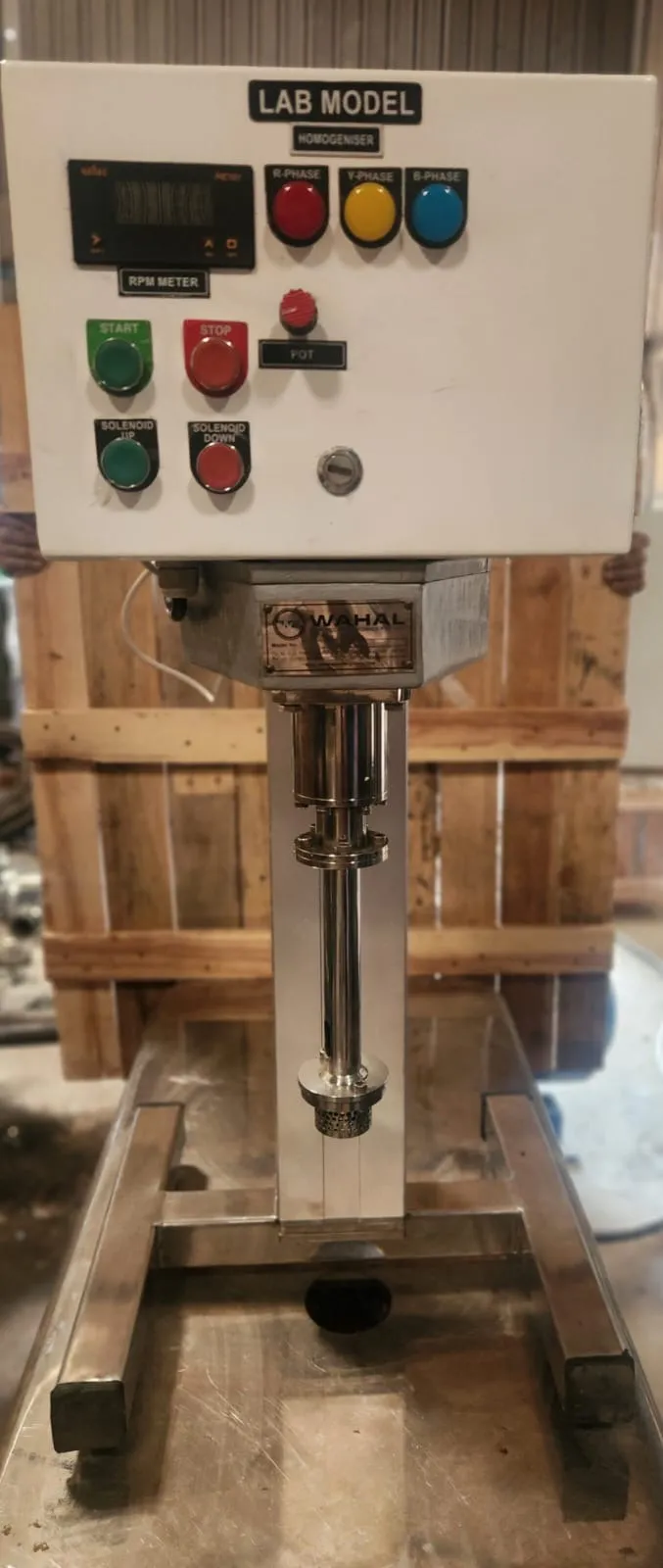
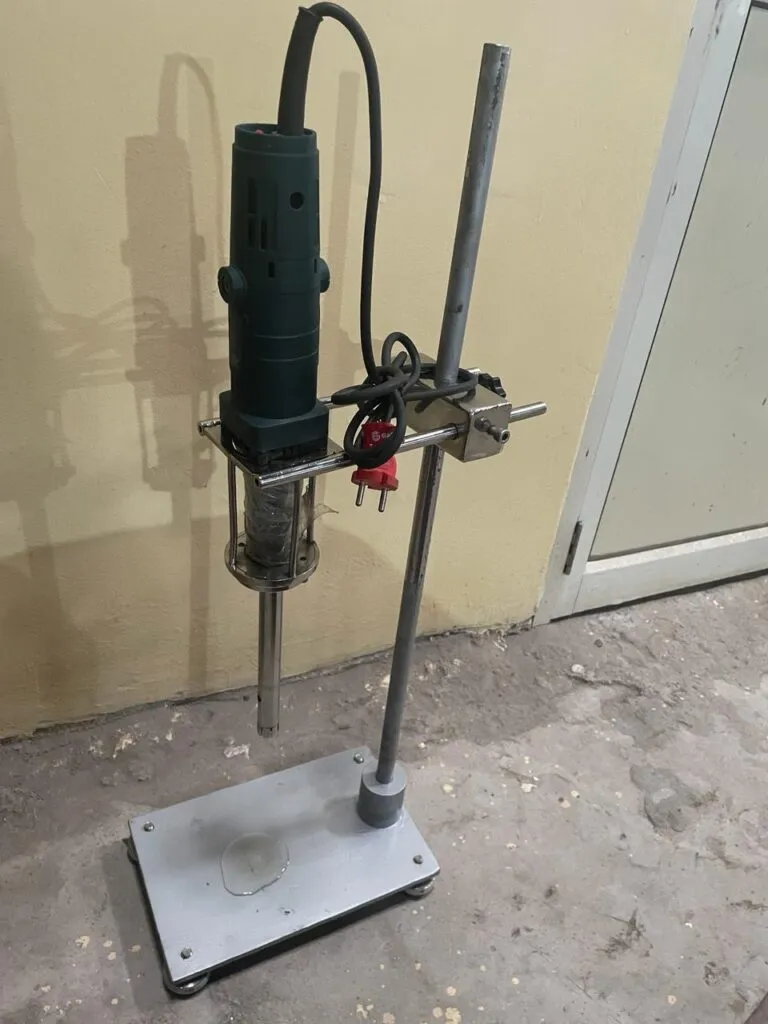
| Laboratory homogenizer | The same rotor-stator principle at bench scale | As the production machine, so trial results scale up | From 2 L; lab inline up to 9,500 rpm | Formulation trials, R&D and scale-up |
How to choose a homogenizer
- Nano-range particles, milk products or cell disruption: a high pressure homogenizer, fed with a fine premix from a high shear homogenizer.
- Continuous production or single-pass results: an inline homogenizer. The four-stage model often reaches the target particle size without recirculation.
- Batches in a vessel: an in-tank or enclosed shaft batch homogenizer, built to the vessel.
- Hard solids, blocks or rubber bales: a bottom mounted homogenizer or a duplex disintegrator dissolver.
- Pastes and emulsions such as sauces, ointments or bitumen emulsion: a colloid mill.
- Not sure yet: try your product on a lab homogenizer or run a trial on a Wahal machine, then scale up.
Options across the range
- Hygiene: sanitary design configurable to FDA norms; CIP/SIP models on request.
- Hazardous areas: ATEX motors and control panels; ATEX, NEMA and UL certification on request.
- Rotor-stator heads: 20+ designs, interchangeable except on the four-stage model.
- Materials: from alloy steels to various polymers, with the rotor-stator material matched to the application.
- Validation: DQ, IQ and OQ documents, with FAT at our works or SAT at your site.
Where homogenizers are used
- Food and dairy: milk products, sauces, dressings, mayonnaise and peanut butter.
- Pharmaceuticals: suspensions, ointments, creams, gels and infusion solutions.
- Cosmetics and personal care: creams, lotions and serums.
- Chemicals and paints: dispersing powders, dissolving solids and reducing particle size.
- Biotechnology: cell disruption.
- Bitumen emulsion: multi-stage colloid mills.
How homogenizing works, step by step: see the homogenization process.
Homogenizer manufacturer in India
Wahal Engineers designs and builds homogenizers in Sonipat, India, in an ISO-certified plant. The range includes a patented four-stage inline homogenizer, high shear models from lab scale to 200,000 litres per hour, and high pressure homogenizer pumps.
You can test your product before you buy: see trials and rentals.
Frequently asked questions
What does a homogenizer do?
It breaks droplets and particles in a liquid down to a fine, even size and spreads them evenly, so emulsions and suspensions stay stable. Typical jobs are emulsifying creams and sauces, dispersing powders, dissolving solids and reducing particle size.
What is the difference between a high shear and a high pressure homogenizer?
A high shear homogenizer shears the product between a fast rotor and a close-fitting stator; it makes fine emulsions and dispersions and handles solids. A high pressure homogenizer is a pump homogenizer for nano-range particle sizes and works best on a fine, uniform premix, which a high shear homogenizer often makes. Wahal builds both.
Is a colloid mill a homogenizer?
It does a similar job by a different route: the product is sheared in the narrow gap between a high-speed rotor and a fixed stator with polished surfaces. It brings particles and droplets down to a few micrometres; our multi-stage mill reaches 0.5 µm on bitumen emulsion.
Which homogenizer is used for milk?
Milk products are homogenized with a high pressure homogenizer, which reaches particle sizes in the nano range.
Can I test my product before I buy?
Yes. You can run a trial on a Wahal machine or rent one. Lab homogenizers use the same rotor-stator principle as production machines, so trial results scale up.