Why Formulation Development Depends on the Right Homogenizer
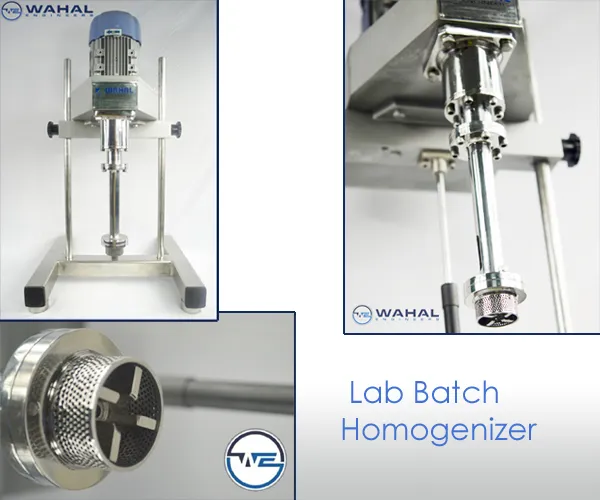
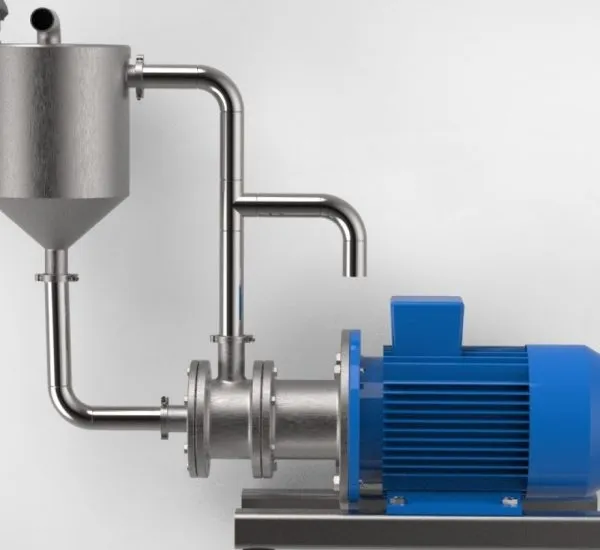
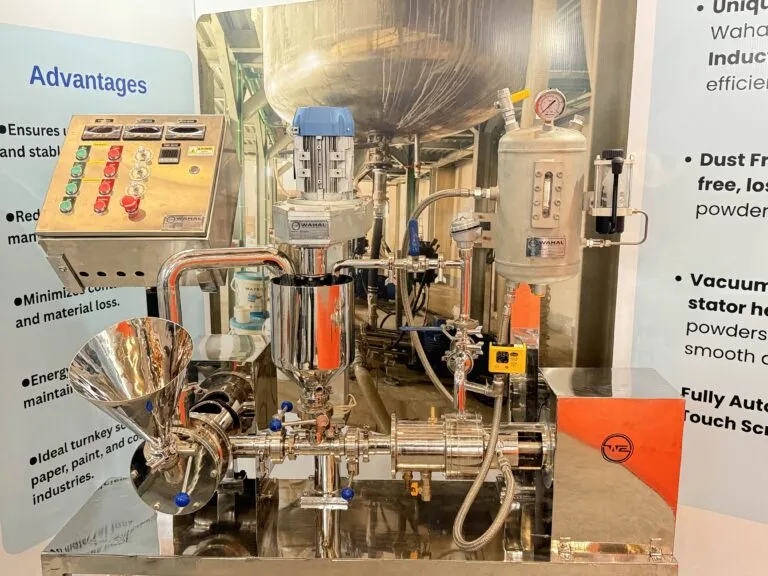
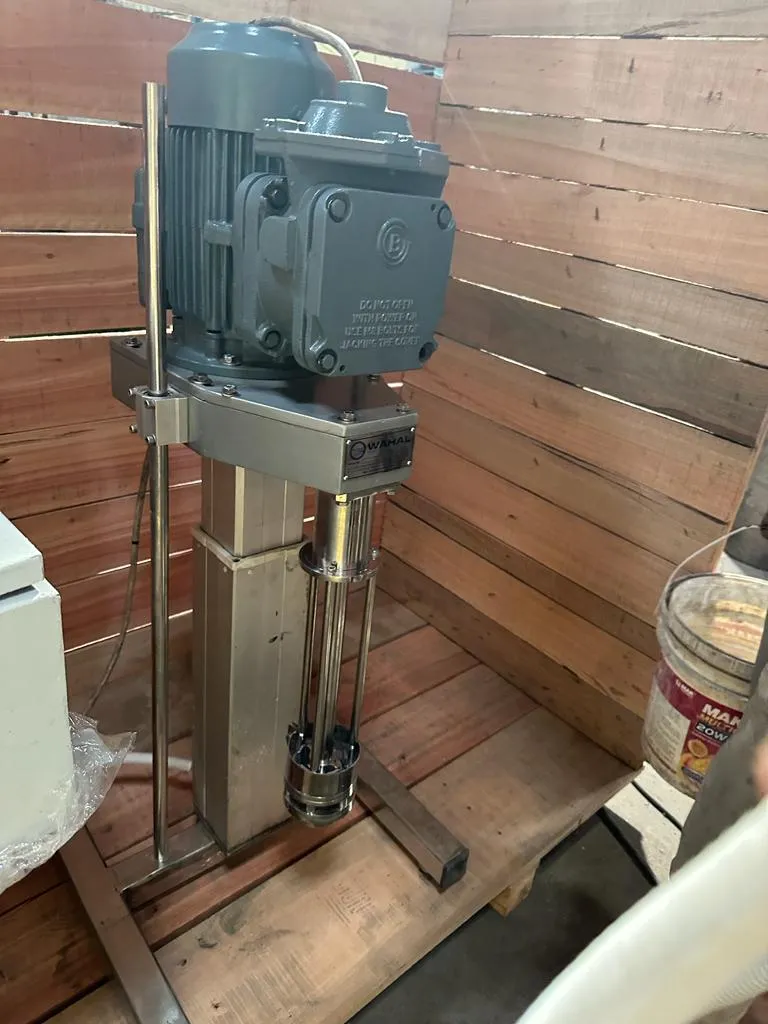
An R&D high shear homogenizer is built specifically for this stage: small batch sizes, precise process control, and repeatable shear conditions that translate reliably from lab to pilot to full production. Get this equipment wrong, and formulations that look perfect on the bench can fail unpredictably when scaled up — costing months of rework.
What Makes a High Shear Homogenizer "R&D Grade"
Not all homogenizers are built for development work. R&D-focused equipment is designed around a different set of priorities than production-scale units:
- Small batch capability — processing volumes from a few milliliters up to a few liters, so formulators can iterate quickly without wasting expensive raw materials or active ingredients
- Precise, adjustable shear control — variable speed drives that let researchers dial in exact rotor-stator speeds to characterize how shear intensity affects droplet size, particle reduction, or emulsion stability
- Interchangeable rotor-stator heads — different generator geometries to trial fine, medium, and coarse emulsification or dispersion for different formulation types
- Temperature and process monitoring — for shear-sensitive or heat-sensitive formulations where process conditions must be tightly controlled and documented
- Scalability data — equipment and process parameters designed so that shear rate, tip speed, and residence time can be translated to larger production equipment with predictable results
Where High Shear Homogenization Matters Most
R&D high shear homogenizers are core equipment across a wide range of formulation-driven industries:
- Pharmaceuticals — suspensions, emulsions, nanoemulsions, and liposomal formulations requiring tight particle size distribution
- Cosmetics and personal care — creams, lotions, and serums where emulsion stability and texture depend directly on shear history
- Food and beverage — sauces, dressings, and beverages needing consistent emulsification without ingredient degradation
- Chemicals and specialty formulations — dispersions, coatings, and adhesives requiring precise particle size reduction
In each case, the underlying question is the same: can this formulation, and the shear conditions that produced it, be reproduced reliably at a larger scale?
The Scale-Up Problem — And How the Right R&D Equipment Solves It
One of the most common frustrations in product development is a formulation that performs beautifully at bench scale but behaves differently once transferred to pilot or production equipment. This usually isn't a formulation failure — it's a process failure, caused by shear conditions at production scale not matching what was actually achieved during R&D.
The fix starts at the R&D stage itself. A homogenizer designed with scale-up in mind lets your team:
- Characterize the actual shear rate and tip speed used to develop a formulation, not just "the RPM that worked"
- Document process parameters in terms that map directly to production-scale equipment (tip speed, energy input per unit volume, residence time)
- Trial multiple rotor-stator configurations early, before committing to a production head design
- Reduce the number of costly scale-up trials by starting from process data that's actually transferable
This is where equipment choice and process engineering intersect — and where working with a supplier who understands both the equipment and the underlying fluid mechanics makes a measurable difference in how smoothly your formulation moves from lab to plant.
What to Look for When Selecting an R&D High Shear Homogenizer
If you're evaluating equipment for a formulation lab, a few criteria are worth prioritizing:
- Speed range and control resolution — can you finely adjust and hold shear conditions, or only select from coarse preset speeds?
- Batch size flexibility — does the equipment handle your smallest development batches without excessive dead volume or material loss?
- Head/generator interchangeability — can you trial different shear geometries without buying an entirely new unit?
- Cleanability and validation support — critical for regulated industries like pharma and food, where cleaning validation and documentation matter as much as performance
- Vendor support for scale-up — does the supplier offer engineering guidance (including fluid dynamics or CFD-based analysis) to help translate lab results into production parameters?
How Wahal Supports Your R&D Homogenization Needs
Wahal's R&D high shear homogenizers are built for formulators who need repeatable, well-characterized shear conditions from the very first bench trial. Beyond the equipment itself, our engineering team can support your formulation program with:
- Guidance on selecting rotor-stator configurations for your specific formulation type
- Process parameter documentation designed for smoother scale-up
- Engineering analysis (including flow and shear simulation) to help validate how lab-scale conditions will translate to pilot and production equipment
Ready to Strengthen Your Formulation Development Process?
Whether you're building out a new R&D lab or looking to improve scale-up reliability from an existing one, choosing the right high shear homogenizer is one of the highest-leverage decisions you'll make in your formulation workflow.
Contact Wahal to discuss the right R&D high shear homogenizer for your application.