What an idli dosa batter plant includes
Making idli dosa batter by hand means soaking, grinding and fermenting in separate manual steps. The result is good, but the work is slow, varies from batch to batch and is hard to scale.
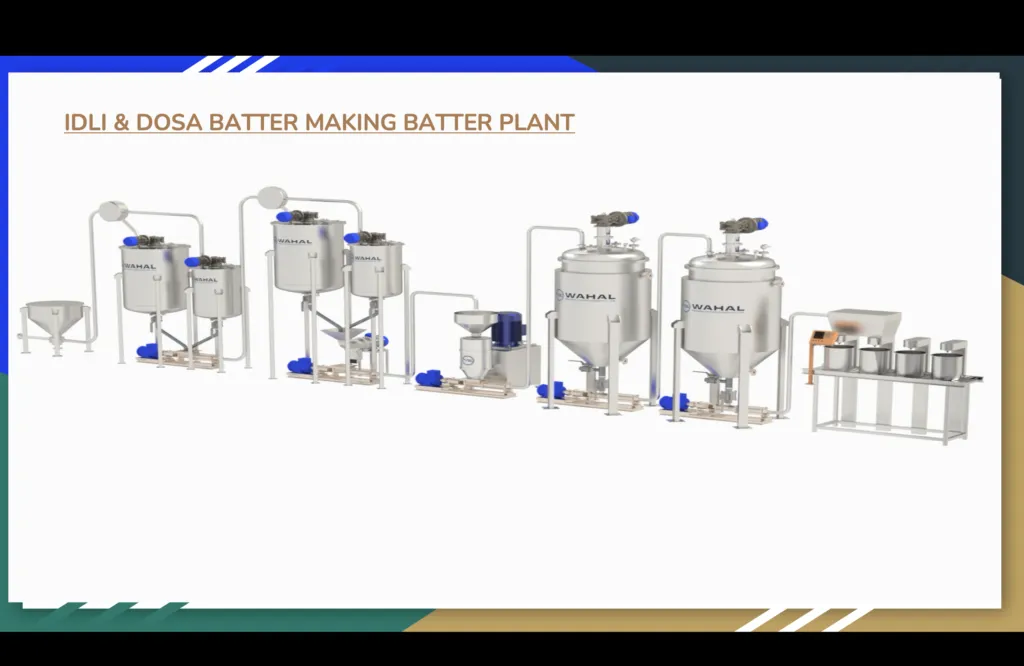
A Wahal idli dosa batter plant automates each of these stages: weighing, soaking, grinding, mixing, fermentation and packaging, as listed in the process steps above. Wahal Engineers is a batter machine manufacturer in India, and the multiprocessor comes with direct engineering support.
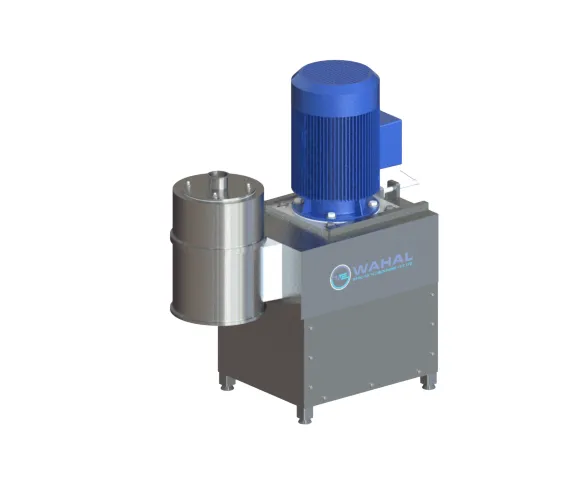
Whether you call it an idli plant, a dosa plant or a batter production line, the grinder at its centre is the Wahal multiprocessor.
Idli batter machine and dosa batter making machine: what the multiprocessor does
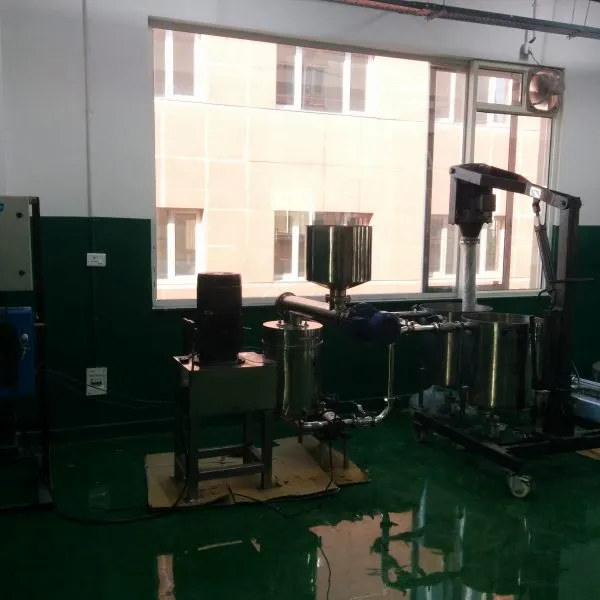
The multiprocessor is the batter mill at the centre of the plant. It works on rotor and stator technology: a precision rotor with close clearance turns at very high speed in a finely slotted stator head.
| Feature | What it means for batter |
|---|---|
| Output | 100 – 1,000 kg per hour in commercial units for idli and dosa batter |
| No heat during grinding | Better sensory and nutritional quality; the very high speed and micro-cut action are why the batter stays cool |
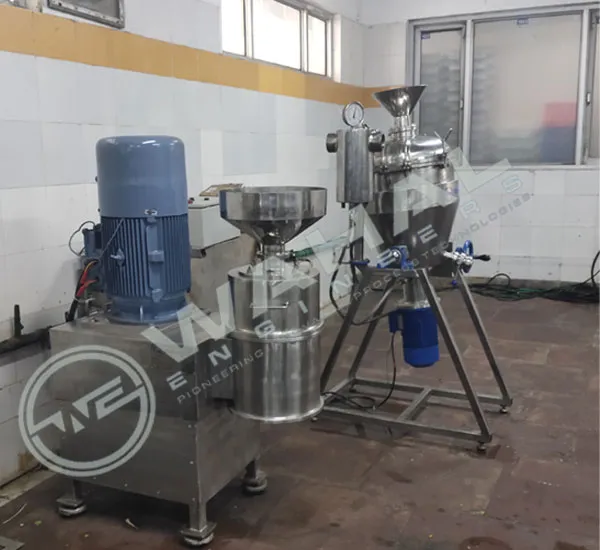
| Feeding | Material can be pumped in, or fed by hand through a hopper or funnel with the flow set by a ball valve; a screw conveyor gives variable feed into the hopper |
| Working tools | Interchangeable heads adjust the fineness of the grind, from coarse to very fine |
| Construction | Hygienic design in stainless steel, often with automated cleaning systems |
| Built for | Heavy-duty commercial use with a long working life |
For a machine-only view aimed at commercial kitchens and batter units, see our page on commercial idli dosa batter grinders.
Benefits of a Wahal idli dosa batter plant
- Consistent quality: automated processes and precise controls give the same batter quality batch after batch.
- Higher efficiency: automation reduces manual labor and production time.
- Scalability: the machines are available in various capacities for businesses of all sizes and allow easy scalability.
- Better hygiene: automated processes and stainless steel construction reduce the risk of contamination.
- Less wastage: accurate ingredient measurement and controlled processing cut waste and save cost.
- Consistent fermentation: temperature-controlled fermentation chambers, often included in these systems, keep fermentation steady.
Hygiene and quality standards
Our systems are GMP compliant and the items used are FDA approved. Our manufacturing is as per ISO 9001 guidelines.
Multiprocessor or traditional stone grinder?
Stone grinders are known for a very fine, smooth batter, and their slow grinding keeps the batter cool. The drawbacks are time, manual effort and cleaning, especially in large quantities.
Wahal multiprocessors are designed for high-volume production with precise control over grinding parameters, and their high speed and micro-cut grinding keep the batter cool. The texture may differ slightly from stone-ground batter, although the machines aim to replicate it closely. They suit large-scale commercial use and can cost more. For home use or small-scale production, a traditional stone grinder may be the better choice.
Full comparison: multiprocessor vs traditional stone grinders.
Rava batter and instant idli dosa mixes
Rava batter, made from semolina and water with or without fermentation, has its own production line: see our rava batter production line.
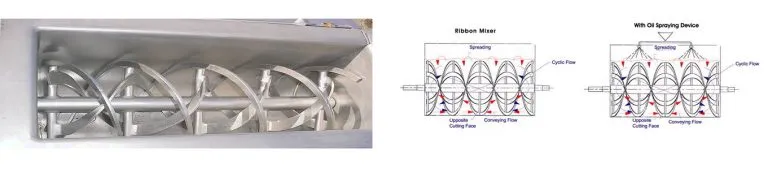
For instant rava idli and dosa mixes, the dry powders are blended together and the spices are added last so they do not break up. A ribbon blender does this blending. Ragi and millet instant mixes are covered on our millet-based foods page.
Test your batter before you buy
You can run a trial on your own product in our fully equipped trial lab, or rent a machine pre-configured to your process. See trials and rentals.
Frequently asked questions
What is an idli dosa batter plant?
It is a line that makes batter from raw rice and lentils: weighing, soaking, grinding, mixing, fermentation and packaging. Wahal Engineers manufactures the multiprocessor grinder at its centre and the machines around it.
How much batter can a Wahal machine make per hour?
Commercial units make 100 – 1,000 kg of idli dosa batter per hour. The machines are available in various capacities.
What is the difference between an idli batter machine and a dosa batter making machine?
Wahal uses the same multiprocessor for both. It grinds rice and lentils to a smooth batter for idli and for dosa.
What is the idli dosa batter manufacturing process?
Ingredients are weighed, soaked, ground in the multiprocessor, mixed and blended, fermented in temperature-controlled chambers and then packed. The six steps are listed above.
Does the plant include a batter fermentation machine?
Temperature-controlled fermentation chambers are often included in these systems, so the batter ferments under set conditions.
Can a multiprocessor replace a stone grinder?
For large-scale commercial production, yes. It gives higher output, better hygiene and easier cleaning, and its high-speed grinding keeps the batter cool. Small-scale and home users may still prefer a stone grinder. See the stone grinder comparison.
Which machine do I need to start an idli dosa batter business?
It depends on your daily output and recipe. Wahal multiprocessors are for large-scale commercial production, in capacities from 100 to 1,000 kg per hour. Send us your daily output and recipe, or run a grinding trial first.
Can I test my batter on a Wahal machine before buying?
Yes. You can run a trial on your own product in our fully equipped laboratory, or you can rent a machine pre-configured to your process.