What a chocolate manufacturing plant includes
Chocolate is a homogeneous product made from cocoa beans, nib, mass, press cake or powder, with or without sugars, cocoa butter and milk solids, and no vegetable fat other than cocoa butter; compound chocolate uses other fat systems and needs the same fine refining.
A Wahal chocolate processing plant is built around three groups of equipment, with automated mixing and recipe control:
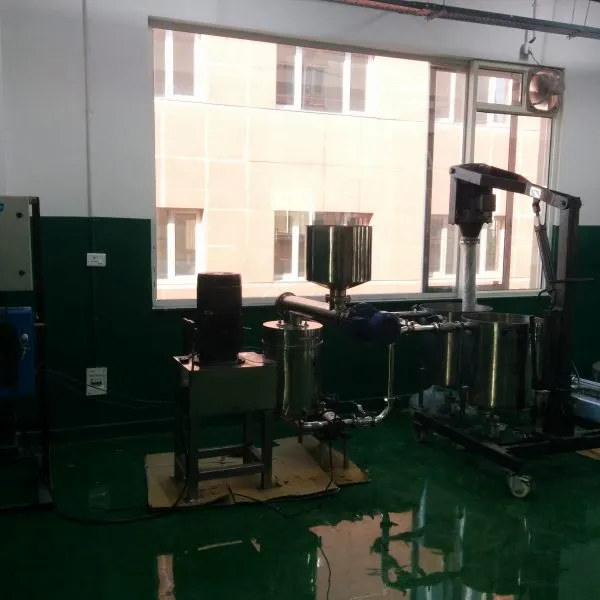
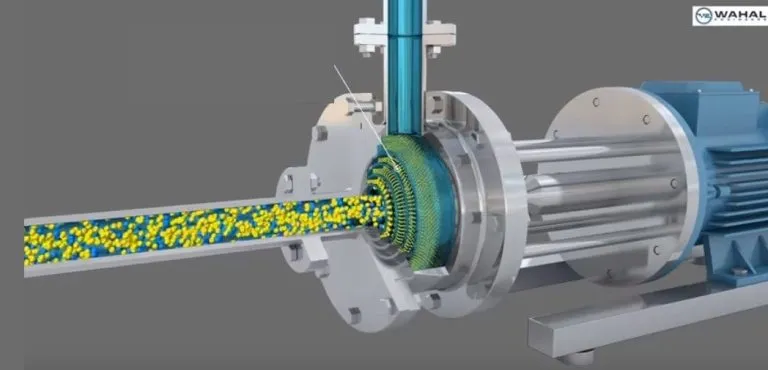
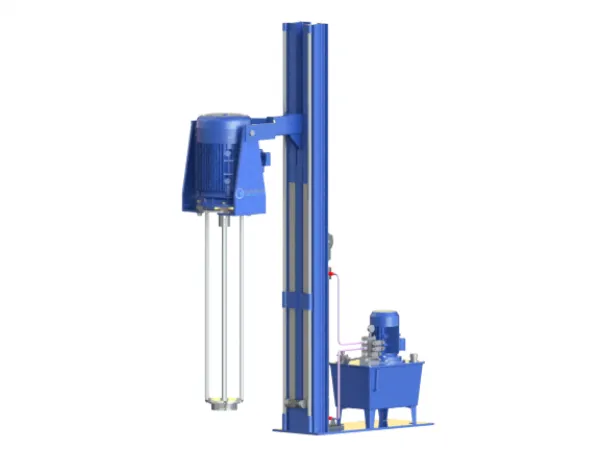
- Premixing. High shear rotor-stator homogenizers, inline or in-tank, disperse the ingredients into a slurry.
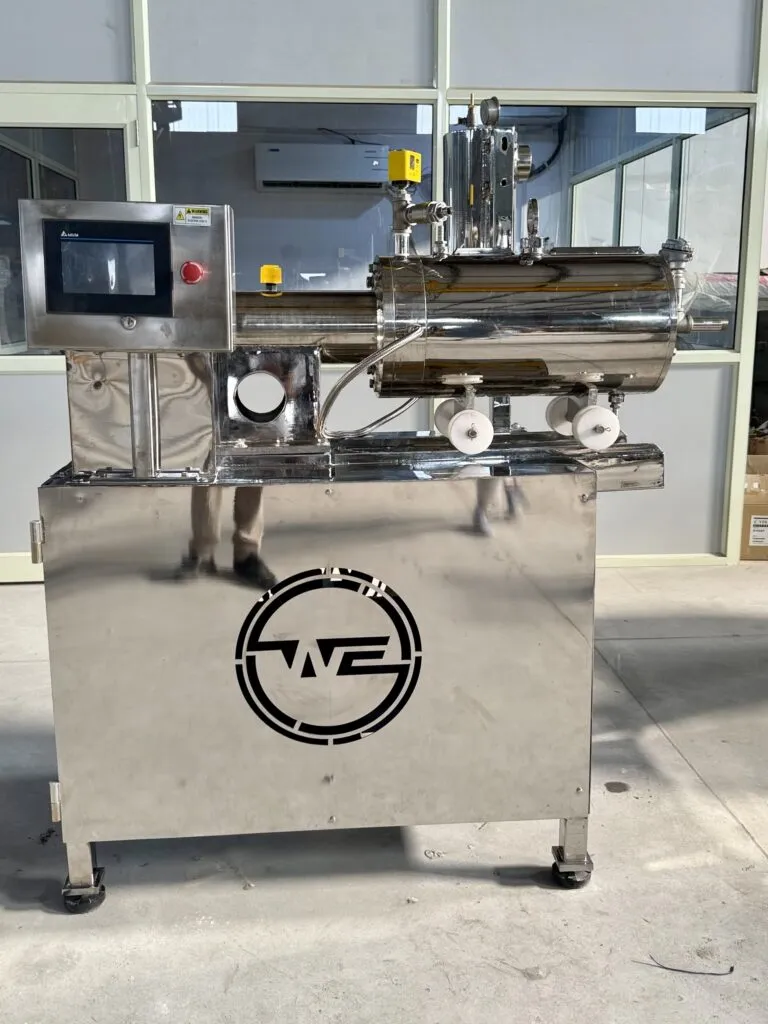
- Refining. A bead mill grinds cocoa mass, sugar and milk solids to the particle size chocolate needs.
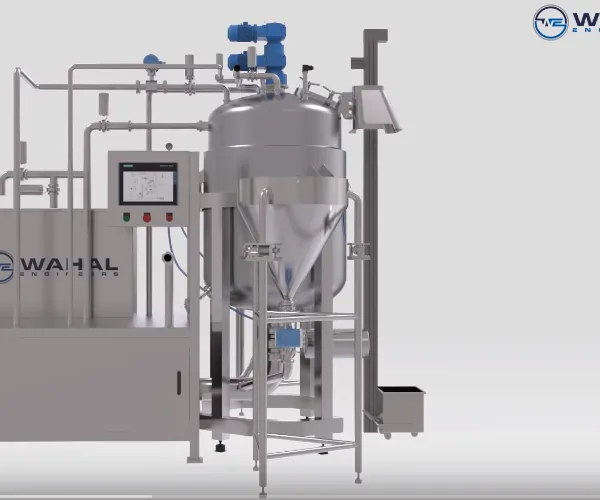
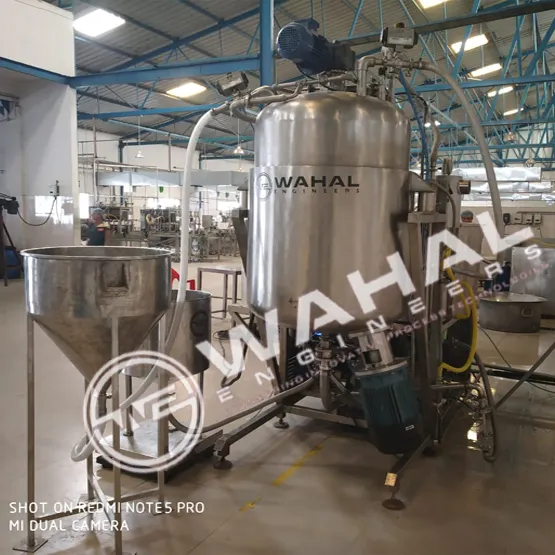
- Vacuum mixing and cooking. A vacuum processing unit mixes, homogenizes and heats liquid chocolates, syrups, spreads and fillings in a sealed vessel.
The line runs from cocoa grinding to conching, tempering and packaging.
Products made on the plant: milk, milk covering, plain, plain covering, blended, white, filled and composite chocolates; compound chocolate coatings, cocoa mass and cocoa liquor, praline fillings and chocolate spreads; liquid chocolates and syrups.
Chocolate processing steps, from premix to packaging
- Premixing. The ingredients are dispersed in a high shear rotor-stator disperser, inline or in-tank homogenizer, for 15–20 minutes at 3,000 rpm, then agitated at about 100 rpm until the batch is uniform. Cocoa and milk powders can be drawn into the liquid dust-free with a powder induction system.
- Refining (wet grinding). A gear or screw pump circulates the slurry through the bead mill and back to the tank for as many passes as the target fineness needs; residence time is about 10 to 30 seconds per pass at a very high flow rate, and cooling water in the jacketed chamber and premix tank holds the temperature down. The target is below 20–25 microns, where the tongue stops detecting grit; the mill can go down to one micron, or 50 to 500 nm. Media are hardened steel, ceramic or zirconia.
- Conching. Conching develops flavour and refines texture further, while bead milling takes care of particle size; traditional lines use five-roll refiners followed by extended conching, and wet milling is a faster alternative or complement.
- Vacuum mixing and cooking. Liquid chocolates, syrups, spreads and fillings are mixed and homogenized under vacuum in a sealed vessel with direct steam injection, a contra-rotary scraper agitator with vortex breaker, a triple jacket and PLC recipe control; vacuum keeps air out where trapped air spoils texture and appearance.
- Tempering, moulding and packaging. Temperature is managed through the line because it affects cocoa butter crystallization, which decides texture, appearance and bloom resistance.
Equipment Wahal supplies for each step
| Step | Wahal machine | On a chocolate line |
|---|---|---|
| Premixing, inline | Inline homogenizer | Self-pumping rotor-stator mixer in the pipeline, 15 to 200,000 L/hr; a closed system, so the product stays free of air |
| Premixing, in the tank | In-tank batch homogenizer | Batch high shear mixer lowered into the vessel on a hydraulic lift; enclosed-shaft version for GMP |
| Powder feeding | Powder induction mixer | Draws cocoa and milk powders into the liquid under vacuum, dust-free and without lumps |
| Refining | Bead mill; see wet grinding mill for chocolates | Grinds cocoa mass, sugar and milk solids below the grit threshold; nine WBM models, 0.6 to 300 L |
| Vacuum mixing and cooking | Vacuum processing plant | Liquid chocolates and syrups, spreads and fillings: mixing, homogenizing and heating under vacuum, CIP |
| Thick fillings and pastes | Planetary mixer | Kneads thick, sticky, paste-like materials, 100 to 2,000 L, jacketed, with a vacuum option |
Capacities and specifications
Published figures for the machines in the line (plant capacity depends on the stages included and the batch size, and bead mill throughput on viscosity and target fineness):
| Parameter | Published range |
|---|---|
| Bead mill chamber and motor | 0.6 to 300 litres, 2 to 200 HP, nine WBM models |
| Bead mill throughput | 0–10 litres per 8-hour shift on the smallest model to 10,000–20,000 litres on the largest |
| Mill output | About 1 to 500 litres per minute, smallest to largest machine |
| Particle size | Below 20–25 microns for grit-free chocolate; down to 1 micron, or 50–500 nm, where needed |
| Inline homogenizer | 15 to 200,000 litres per hour |
| Vacuum mixing systems | 100 to 20,000 litres, viscosities up to 100,000 cps |
| Hygiene and documents | GMP-compliant models, FDA-approved parts, CIP; DQ, IQ and OQ documents; FAT or SAT on request |
How to plan a chocolate processing plant, and what decides the cost
What a chocolate manufacturing plant costs follows five choices, so send them with your enquiry:
- The stages you buy. Refining only (premix plus bead mill), refining plus vacuum mixing and cooking, or the line through conching, tempering and packaging.
- The products. Compound coatings and spreads need fine refining; chocolate proper also needs the temperature control cocoa butter demands; filled products add a filling line.
- Batch size and daily output. Bead mill model by batch size per shift, inline homogenizer by throughput; bead size, material and grinding time are tested on a laboratory bead mill first.
- Hygiene and documentation. GMP builds, CIP/SIP, FDA-norm sanitary design, DQ/IQ/OQ documents and acceptance tests where needed.
- Automation. PLC/SCADA with HMI, recipe storage, load cells and actuated valves, or manual operation.
Test the plant on your own recipe: trial it in our fully equipped laboratory or rent a machine pre-configured to your requirements, see trials and rentals. Wahal Engineers manufactures chocolate processing plants in India at its factory in Bhigan (Murthal), Sonipat, Haryana, with its head office in New Delhi. Contact us with your products, recipe and daily output.
Frequently asked questions
What does a chocolate processing plant from Wahal include?
High shear premixing, bead mill refining and vacuum mixing and cooking, with PLC recipe control, sized to your products and output.
Does a bead mill replace the conche?
No. Wet milling handles particle size; conching also develops flavour and refines texture, so the two complement each other. The bead mill replaces or complements five-roll refining.
What particle size does chocolate need?
Below 20–25 microns, where the palate detects grit; Wahal bead mills reach that and can go to one micron, or 50 to 500 nm.
Can the plant make compound chocolate, white chocolate, spreads and fillings?
Yes. The same refining step serves chocolate and compound coatings, and the vacuum unit is listed for liquid chocolates, syrups, spreads and fillings.
What capacity can a chocolate manufacturing plant have?
From pilot to industrial: bead mills from 0.6 to 300 litres (0–10 up to 10,000–20,000 litres per shift) and inline homogenizers from 15 to 200,000 litres per hour.
How much does a chocolate manufacturing plant cost?
On the stages, products, batch size, hygiene level and automation; send your product list and daily output for a quotation.
Do you manufacture chocolate processing plants in India, and can I run a trial first?
Yes, at our factory in Bhigan (Murthal), Sonipat, Haryana (head office New Delhi), and you can trial the premix and bead mill on your recipe in our laboratory first.