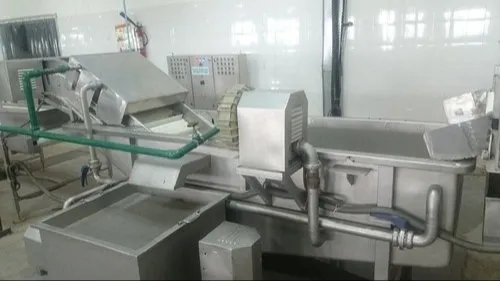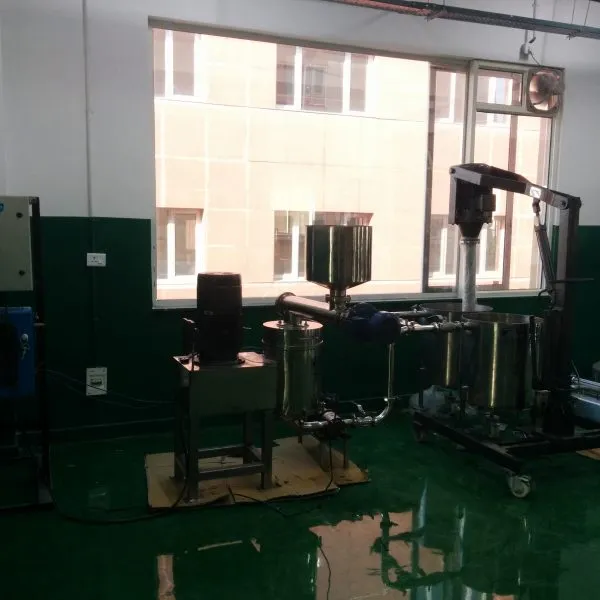


Ragi and Millet based Ready to eat foods instant mixes plant
1. Raw Material Selection & Cleaning
Millets Used: Finger millet (ragi), pearl millet (bajra), foxtail millet, little millet, barnyard millet, etc.
Additional Ingredients: Pulses (urad dal, moong dal), rice, spices, dried herbs, salt, etc.
Cleaning Process
o Destoning o Sieving o Aspirating (for dust and husk removal)
o Washing (if wet processing is used)
2. Roasting or Pre-cooking
Purpose: Enhance flavor, reduce anti-nutrients, increase digestibility, and extend shelf life.
Methods
o Dry roasting in rotary roasters or fluidized bed roasters o Steam cooking or blanching followed by drying for instant porridge mixes
3. Drying (if pre-cooked)
Equipment: Tray dryers, rotary dryers, or hot air ovens
Ensures final moisture content is below ~10% to improve shelf life.
- Grinding / Pulverizing
- Equipment: Hammer mills, pin mills, or pulverizers
- Output: Fine flour or granular blends depending on the product (porridge mix vs upma mix)
- Blending
- Millets are mixed with other dry ingredients for preparing instant mix like:
- Pulses flour
- Spices and condiments
- Salt or sugar
- Natural stabilizers or binding agents (if needed)
Equipment: Ribbon blender, paddle mixer, or conical blender
- Quality Testing
- Parameters like:
- Moisture content
- Particle size distribution
- Microbial safety
- Shelf-life stability
- Testing is done in a food lab before packaging
- Packaging
- Packaging Types: Laminated pouches, stand-up zipper pouches, vacuum-sealed bags, or nitrogen-flushed pouches for freshness.
- Equipment: Packing machines, vacuum packaging machines
- Labeled with nutritional info, batch code, MRP, instructions, etc.
- Storage & Distribution
- Stored in cool, dry warehouses.
- Distributed via retail, online platforms, and institutional supplies.
Compliance & Certification
- FSSAI license is mandatory in India.
- Often, HACCP and ISO 22000 standards are followed for food safety.