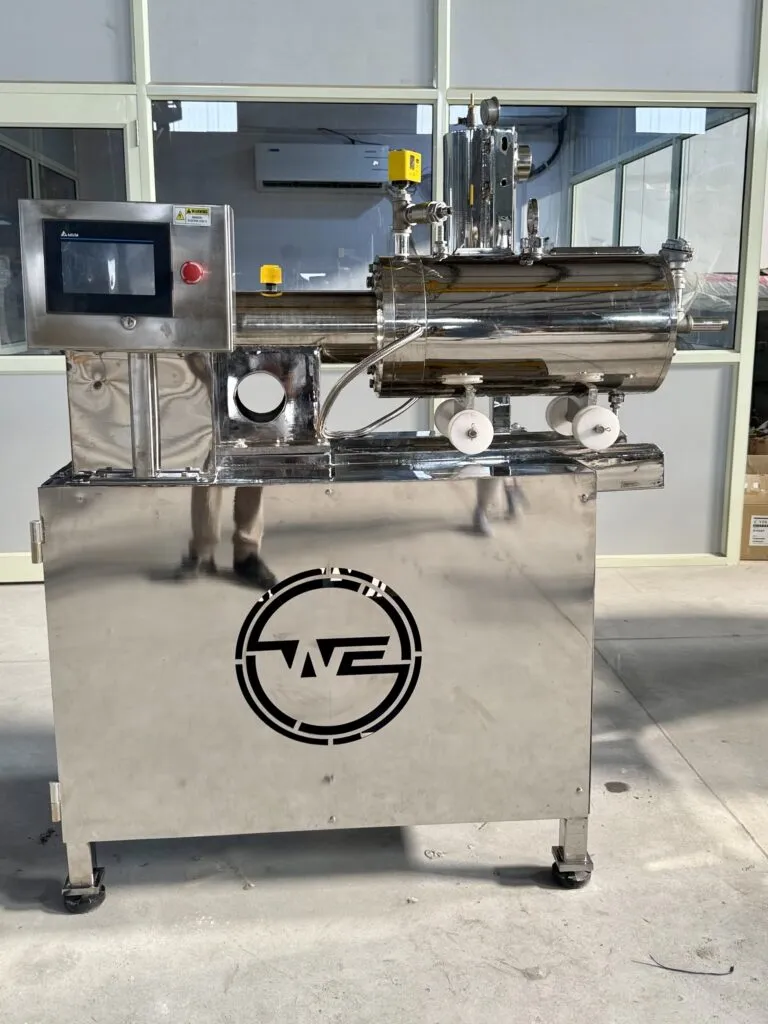
Wet Milling for Micronization in API Development
Wet-Mill Micronization
- Purpose:
- The goal is to decrease the particle size of the API, which can significantly impact its solubility, dissolution rate, and bioavailability. This is crucial for ensuring the drug works effectively.
- It also aids in creating a more uniform particle size distribution, leading to consistent dosing in the final drug product.4
- Process:
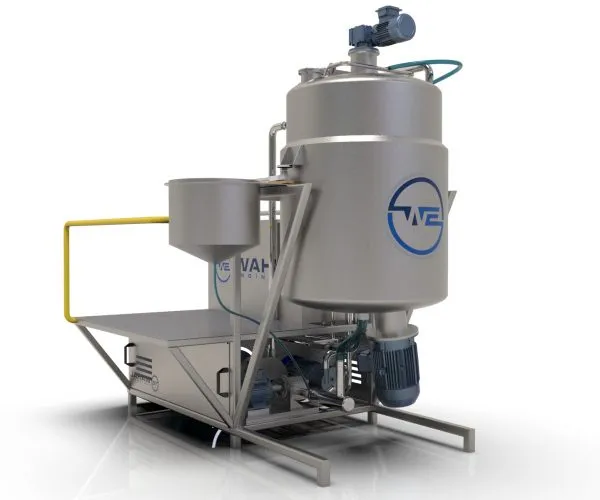
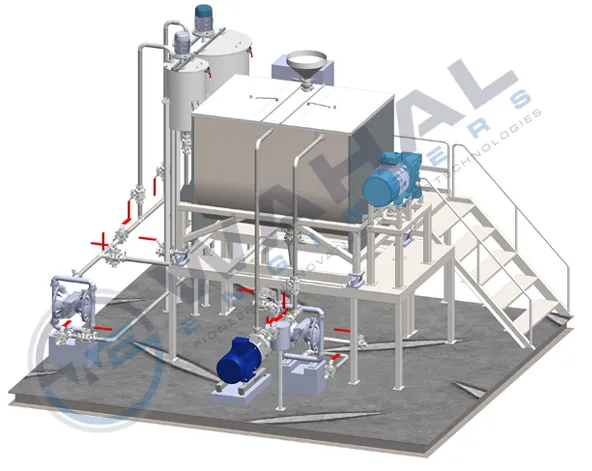
- Unlike dry milling, wet milling involves suspending the API in a liquid medium.
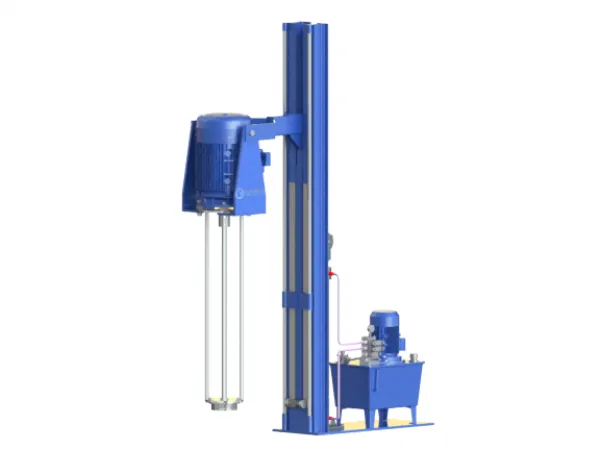
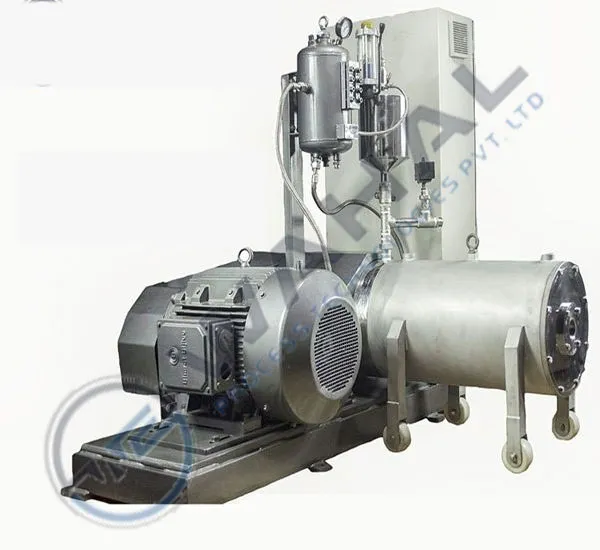
- Particle size reduction is achieved through forces like shearing, impact, and crushing, often using equipment with Wahals' rotor-stator systems and/or Wahal ZR SPlash bead mills in series .
- This method is particularly useful for APIs that are sensitive to heat or static charge, which can be issues in dry milling.
- Pharma-compliant design – with Wahal validation concept The qualification documents DQ, IQ, OQ that are required for validation or the certificates for the process-relevant machine components such as calibration- and materials certificates are available for all Wahal bead mills. On request, we can also carry out the Factory Acceptance Test in our factory or the Site Acceptance Test at your production site
Role of Tip Speed
- Impact on Performance:
- "Tip speed" refers to the velocity of the rotor's edge in a wet mill. It's a critical parameter influencing the amount of shear force applied to the API particles.
- Generally, higher tip speeds result in greater shear forces, leading to finer particle size reduction.
- Therefore, by adjusting the tip speed, Wahal can fine-tune the particle size distribution of the API.
- quality.
- The tip speed has a strong influence on the amount of energy that is transferred to the product being milled. Therefore it is a very important parameter in the milling process.
In essence, tip speed is a key operational parameter in wet milling that directly affects the efficiency and outcome of the micronization process.