Key Process Considerations
- Tomato concentrate should be fully disintegrated before dry ingredients are added, so sugar and salt disperse into an already-smooth base rather than competing with undissolved paste lumps
- Stabilizer hydration temperature and shear intensity directly affect long-term syneresis resistance
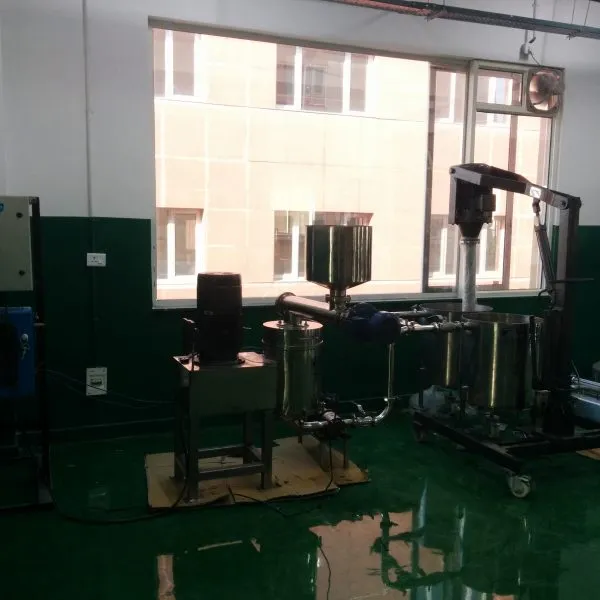
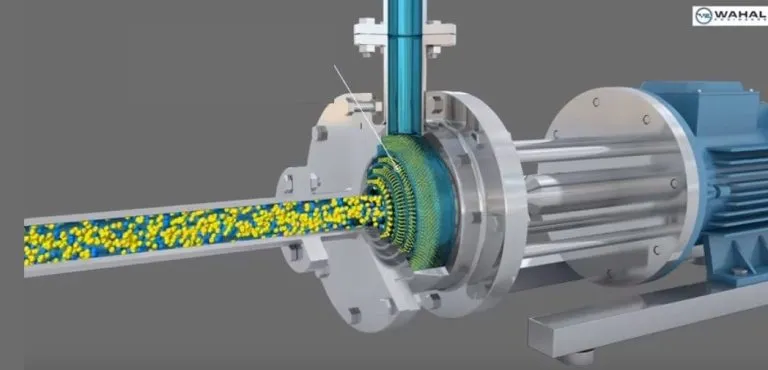
- Recirculation through the inline homogenizer ensures the full batch receives uniform shear treatment, rather than relying on tank agitation alone to even out consistency
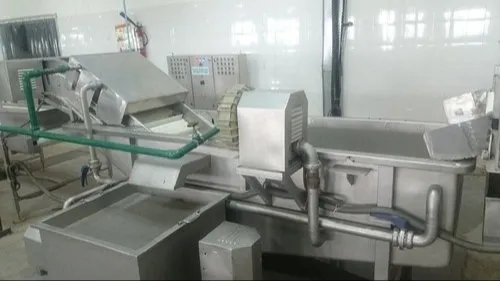
- Sanitary, FDA-compliant equipment design is essential for food-grade ketchup and sauce production
Why Choose a Disintegrator/Dissolver System for Ketchup Production
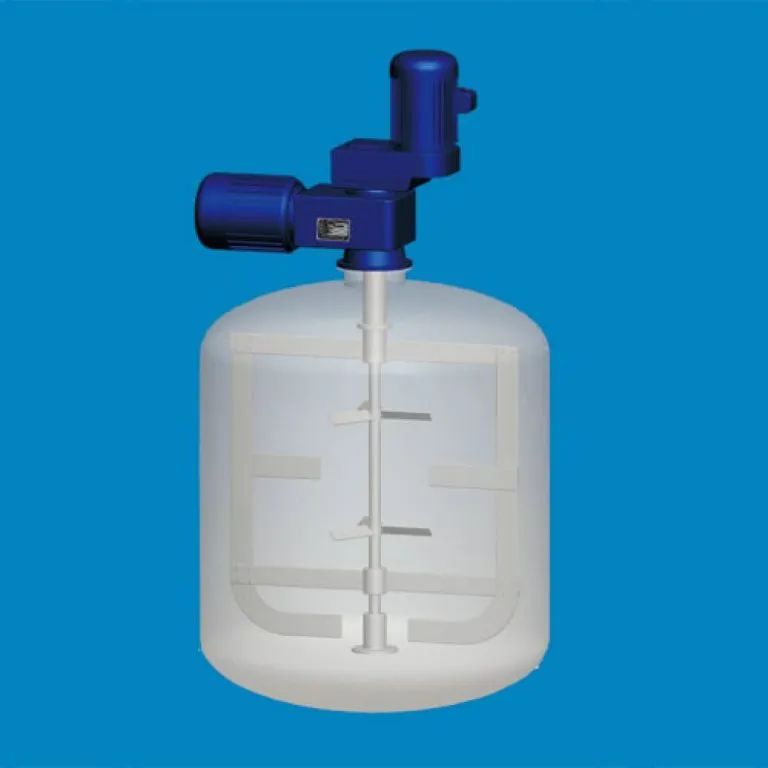
- Breaks down dense tomato paste and concentrate without relying on extended, inefficient agitation
- Disperses sugar, salt, and spice blends evenly, avoiding lumping and unblended particles
- Ensures thorough stabilizer hydration, reducing syneresis and improving shelf stability
- Sanitary design configurable to meet FDA compliance for food processing applications
- Suitable for other similar pastes, including ginger-garlic paste and other coarse-to-smooth food preparations
Frequently Asked Questions
Why does ketchup separate or show watery liquid after opening?
This is typically caused by insufficient stabilizer hydration during processing — proper high shear dispersion ensures the stabilizer system fully binds water throughout the product rather than allowing it to separate over time.
Tomato ketchup looks simple on the shelf, but achieving its smooth, consistent texture at production scale is a genuine processing challenge. Between breaking down concentrated tomato paste, dispersing sugar and salt without lumping, and blending in spices, vinegar, and thickeners — all while avoiding syneresis (visible water separation) — ketchup manufacturing demands equipment built for both disintegration and fine dispersion.
The Core Manufacturing Challenge
Commercial ketchup production typically starts not from fresh tomatoes but from concentrated tomato paste, often supplied in solid or semi-solid block form with a very high viscosity and dense, agglomerated structure. This concentrate has to be broken down and fully dispersed into the liquid base before sugar, salt, vinegar, spices, and stabilizers can be uniformly blended in.
Doing this with conventional agitation alone is inefficient and inconsistent — dense tomato paste tends to resist simple stirring, and dry ingredients like sugar and salt are prone to clumping when added directly to a thick, viscous base, in much the same way other hygroscopic powders clump when improperly dispersed into liquid.
How Disintegration and Dispersion Work Together
Producing consistent ketchup at scale typically requires a two-stage approach:
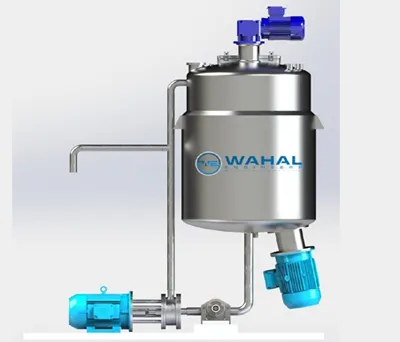
1. Disintegration of the tomato paste concentrate.** A bottom-mounted homogenizer breaks down the dense paste, ripping apart agglomerates and reducing the concentrate to a smooth, workable base before further ingredients are introduced. This stage is critical for concentrate that arrives in block, chip, or highly viscous form.
2. High shear dispersion and refinement.
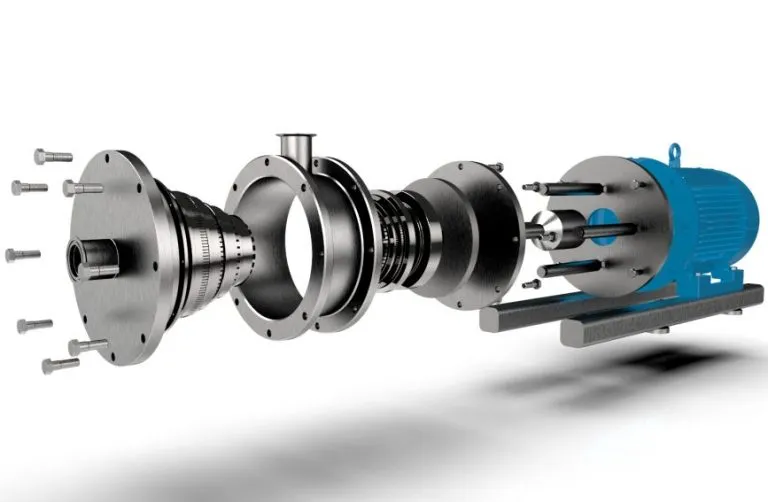
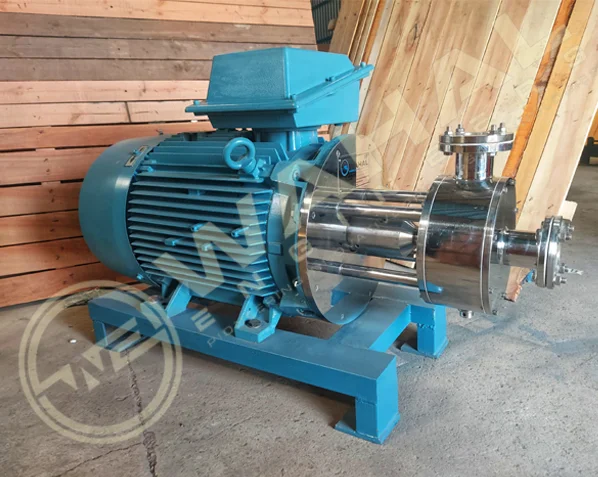
Once the base is broken down, the mix is passed through a high shear inline homogenizer for final refinement — dispersing sugar, salt, and dry spice blends evenly throughout the batch, and ensuring stabilizers (such as xanthan gum) are fully hydrated to prevent the product from separating during storage.
This combination — disintegration followed by high shear dispersion — is exactly the process built into disintegrator/dissolver systems, which are specifically designed to handle materials that arrive as coarse solids, chips, or dense pastes before final texture refinement.
Why Texture Consistency Matters
Ketchup's characteristic smooth, pourable-yet-clingy texture depends on uniform particle size distribution and proper stabilizer hydration. Under-processed batches can show:
- Visible flecks or unblended concentrate particles
- Water separation (syneresis) during storage or after opening
- Inconsistent viscosity between batches, affecting fill-line performance and consumer perception
- Uneven color distribution if pigment-bearing solids aren't fully dispersed
Each of these quality issues traces back to the same root cause: incomplete disintegration or dispersion during processing, not a flaw in the formulation itself.
Why can't conventional agitators handle tomato concentrate effectively?
Dense tomato paste concentrate resists simple stirring and often arrives in block or highly viscous form, requiring a disintegration stage to break it down before it can be evenly blended with other ingredients.
What ingredients besides tomato concentrate need careful dispersion in ketchup production?
Sugar and salt are prone to clumping when added to viscous bases, and stabilizers like xanthan gum require thorough hydration — both benefit significantly from high shear dispersion.
Is this process specific to ketchup, or does it apply to other sauces and pastes?
The same disintegration-then-dispersion approach applies to other coarse-to-smooth food preparations, including ginger-garlic paste and similar thick, particle-heavy sauces.
Can this equipment be configured for FDA-compliant food production?
Yes — the disintegrator/dissolver system can be designed for sanitary applications and configured to meet FDA compliance requirements for food manufacturing.
*Wahal Engineers designs and manufactures high shear mixing, disintegration, and dissolving equipment for the pharmaceutical, food, chemical, and cosmetic industries, backed by decades of in-house engineering experience.*