Why downstream processing decides profitability
Microalgae producers often invest heavily in cultivation, then lose value in processing. Common problems include low extraction yields, degraded pigments, inconsistent powder quality, and poor digestibility of whole-cell products. The key step is cell disruption. If cells are not opened efficiently, proteins, pigments, and nutrients stay locked inside the cell wall.
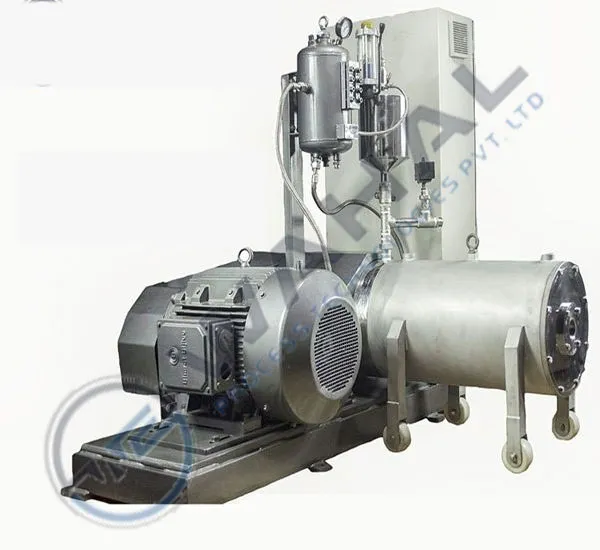
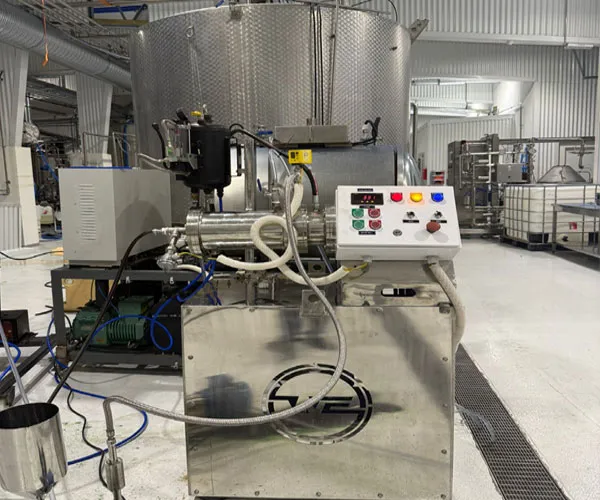
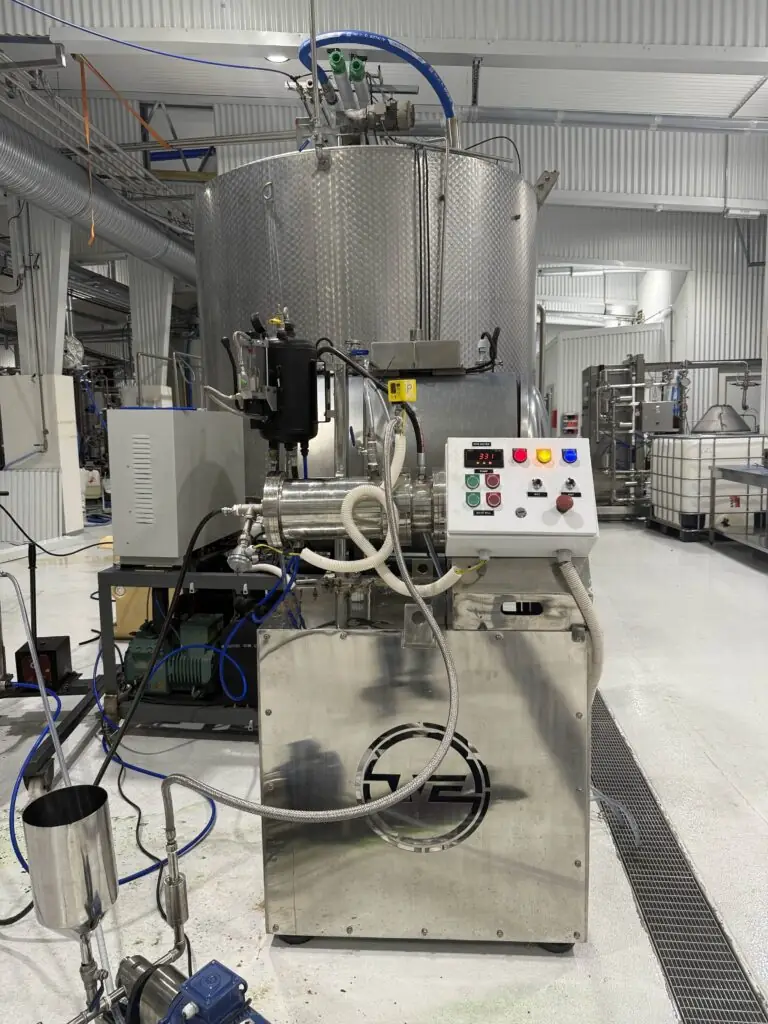
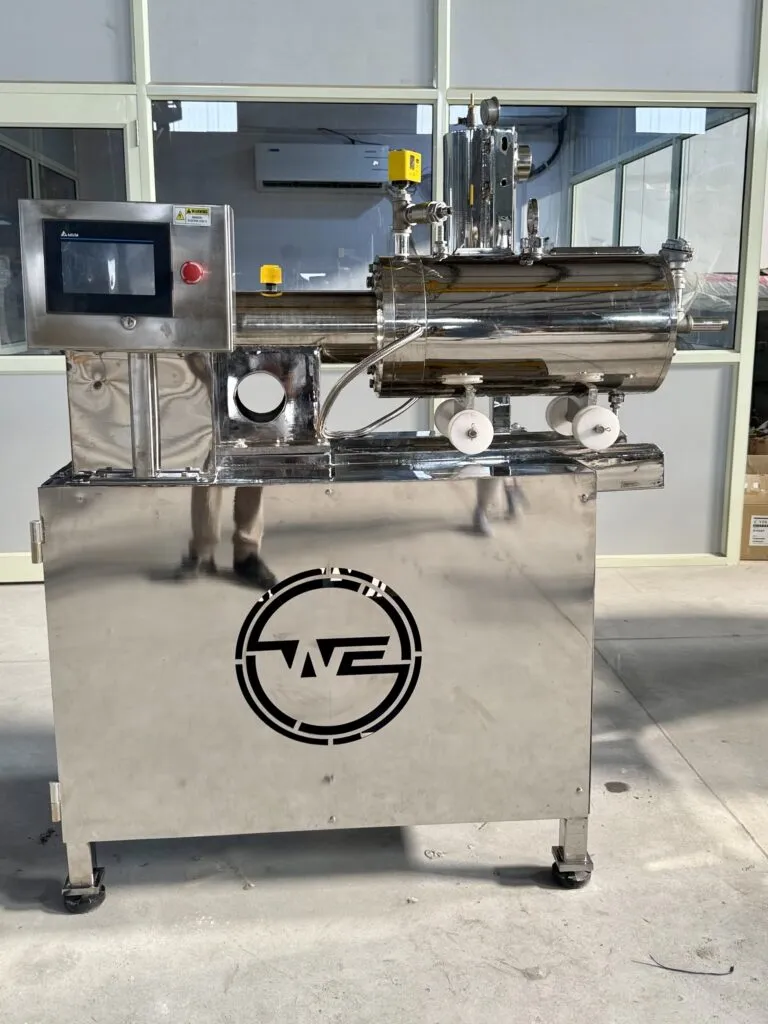
This is where Wahal's core expertise applies. Our high-pressure homogenizers and bead mills are proven in pharmaceutical, food, and chemical processing, and they deliver controlled, repeatable cell disruption at industrial scale.
Phycocyanin extraction from spirulina
Phycocyanin is the natural blue pigment in spirulina. It is used as a food colorant, in nutraceuticals, and in cosmetics. It is also heat- and light-sensitive, so the process must protect it at every step.
A typical Wahal phycocyanin line includes:
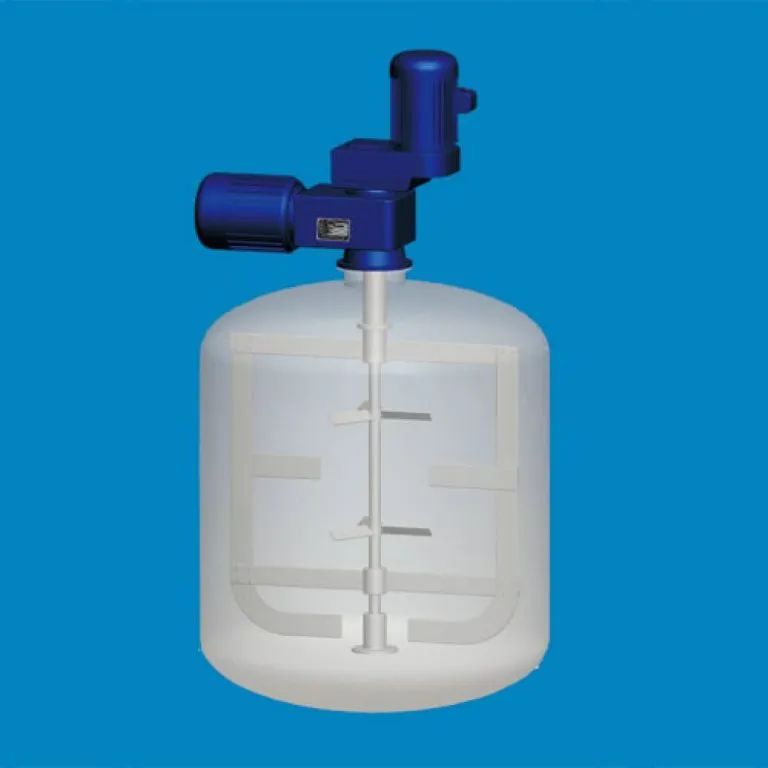
- Biomass preparation: fresh or dried spirulina is suspended in buffer in agitated tanks.
- Cell disruption: high-pressure homogenization or bead milling under temperature control.
- Extraction: gentle agitation releases the pigment into solution.
- Clarification: centrifugation and filtration remove cell debris.
- Purification and concentration: ultrafiltration and membrane processing to upgrade purity.
- Stabilization and drying: formulation with stabilizers, followed by spray drying or freeze drying.
Plants can be designed for food-grade phycocyanin or configured with added purification stages for higher-purity grades. The spent biomass left after extraction can still be processed into protein-rich feed or other co-products.
Spirulina powder processing
For producers selling spirulina powder, we supply complete lines covering:
- Harvesting and washing: screen filtration and dewatering of fresh culture
- Slurry preparation: agitated tanks to homogenize the biomass
- Drying: spray drying designed to protect color and nutritional quality
- Blending and packing: powder blending with other ingredients and filling
Broken-cell chlorella processing
Chlorella has a tough cell wall that limits digestibility. Mechanical cell-wall disruption makes its nutrients more bioavailable, and "broken cell wall" is a recognized quality claim in the market. Our bead mills and homogenizers are sized for continuous chlorella processing, with temperature control to protect product quality.
Plant scales
- Pilot and R&D skids: for cultivation start-ups, universities, and product development
- Commercial lines: scaled to your cultivation output, from batch to continuous operation
- Add-on modules: add phycocyanin extraction to an existing spirulina powder operation
Why Wahal Engineers
Wahal Engineers manufactures high-pressure homogenizers, bead mills, high shear mixers, agitators, and process vessels in-house in Sonipat, India. We combine this equipment with carefully selected separation, membrane, and drying systems. Your plant is designed around one mass balance, integrated under one control system, and commissioned by one team.
Frequently Asked Questions
Which cell disruption method is best for microalgae?
It depends on the species, product, and scale. High-pressure homogenization and bead milling are both widely used at industrial scale. We recommend trials on your biomass to choose the method and operating conditions.
Can phycocyanin extraction be added to an existing spirulina farm?
Yes. Extraction modules can be integrated with existing harvesting and drying operations.
Can I process both fresh and dried biomass?
Yes. Plants can be designed for fresh culture, dried biomass, or both.
Do you offer process trials?
Contact us to discuss trials on your biomass before finalizing the plant design.