What a solvent-based paint plant makes
In a solvent-based paint, the binder is dissolved or thinned in an organic solvent instead of water. Alkyd resins are the basis of most synthetic enamels and many primers; epoxy, polyurethane, acrylic and nitrocellulose resins go into industrial, wood and protective finishes. Typical solvents include mineral turpentine oil, xylene and other aromatics, esters such as butyl acetate, ketones and alcohols.
Such a plant typically produces synthetic enamels, red oxide and other metal primers, varnishes and clear coats, NC and PU wood finishes, and epoxy or PU industrial coatings. Solvent-based and oil-based paints are both on Wahal's paint application list.
If you also make the alkyd resin, the reactors are covered on our polyester, alkyd and phenolic resin plant page.
Designing the plant around flammable solvents
Many paint solvents give off flammable vapour at normal room temperature, so the layout and equipment are planned around that risk. These are the usual measures:
- Hazardous area zoning. The floor is divided into zones by how likely a flammable atmosphere is, and the electrical equipment in each zone is rated for it.
- Flameproof drives and panels. Motors, instruments and control panels inside the zones must be flameproof or explosion-proof. Wahal's high speed dispersers, twin shaft dispersers, inline homogenizers and bead mills can be supplied with flameproof (explosion-proof) motors, and explosion-proof control panels are available.
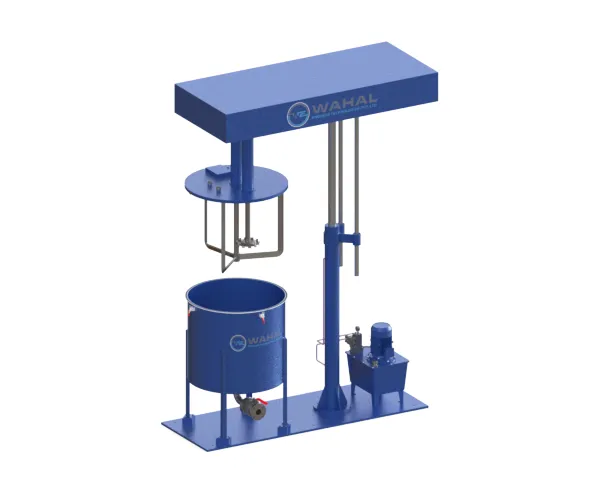
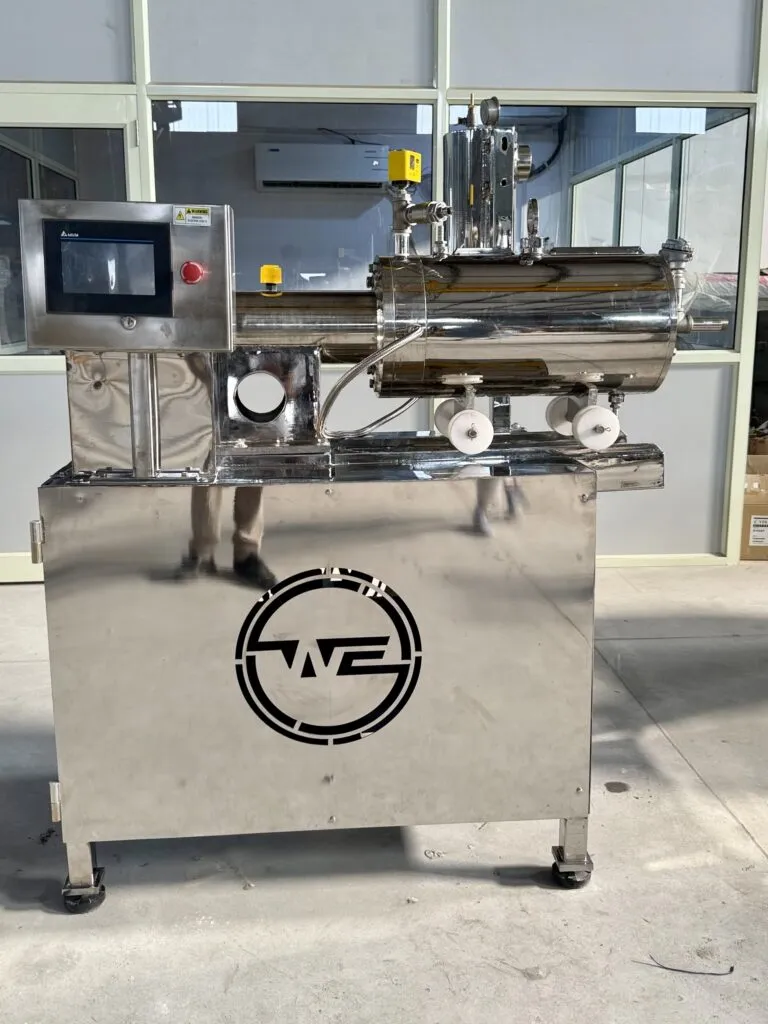
- Closed processing. Dispersers can work with sealing lids on hydraulic lifting stands, enclosed or under vacuum where required, and an enclosed horizontal bead mill does the grinding. Keeping lids closed holds vapour in the vessel and away from operators.
- Static control. Solvents can build up static charge as they flow, so vessels, pipework, drums and filling points are earthed and bonded together.
- Extraction. Local exhaust at charging and filling points keeps solvent vapour well below its lower explosive limit.
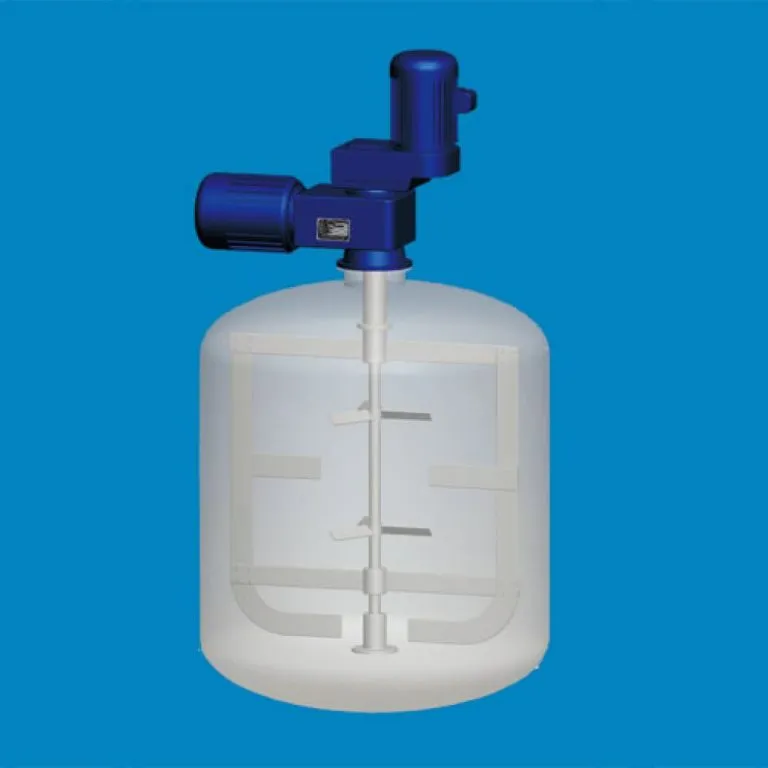
- Agitators and seals. Let-down and storage vessels need agitators with explosion-proof motors and seals chosen for the solvent.
The zones, and the approvals your site needs, depend on your location, the solvents and the quantities stored. Your safety consultant fixes them, and the equipment is specified to match.
Machines in a solvent-based paint line
| Stage | Wahal machine | Why it suits solvent work |
|---|---|---|
| Dissolving solid resins | Dis-integrated dissolver | Breaks down blocks and dissolves polymers into solvents before the premix |
| Premix | High speed disperser | Cowl blade disperses pigment into resin and solvent; sealing lid and hydraulic lift |
| Thick products | Twin shaft disperser | Disperser blade plus a slow anchor with scrapers; flameproof motor options |
| Grinding | Bead mills and the Dyno mill | 0.6 to 300 L chambers, built for solvent-based slurries, 50 to 500 nm achievable; the horizontal mill is fully enclosed |
| Batch grinding | Basket mill | Disperses and grinds in one vessel, with no pumps or valves between stages |
| Let-down and storage | Agitated vessels; see agitator mixers | Explosion-proof motors and special seals for hazardous materials |
| Control | PLC and SCADA, automated dosing | Recipe management and automated weighing, with fewer people in the zone |
Solvent storage, VOC and solvent recovery
Solvent-based paints release volatile organic compounds (VOCs) during manufacture and as they dry, so closed processing also cuts emissions and solvent loss.
- Storage and transfer. Solvents are normally kept in bulk tanks or drums in a separate store and pumped through closed lines, metered to the recipe. In India, storing petroleum solvents such as xylene or mineral turpentine above set quantities needs a licence from PESO under the Petroleum Rules.
- Cleaning and recovery. Vessels and mills are washed with solvent. The dirty wash solvent is collected and reused in compatible batches or distilled in a solvent recovery unit.
- Waste. Distillation residue and paint sludge are handled as hazardous waste.
Plant size and cost
Daily output, batch size and the number of products set the size of a solvent-based plant. Our paint manufacturing plant page gives the capacity range of Wahal paint plants and what drives cost in general. On a solvent line, the price also reflects the hazardous-area scope (flameproof motors and panels, closed vessels, extraction, earthing, solvent storage and transfer) and how fine the paints must be ground. Prices are given on request.
One supplier from design to start-up
We design, manufacture and commission the plant, so one supplier handles the project: feasibility study, plant design, the dispersers, mixers and mills we make in-house, installation, operator training and after-sales support.
You can test a Wahal disperser or bead mill on your own product before you buy. See trials and rentals.
Making emulsions or other water-thinned paints too? See our water-based paint plant. On a site that makes both, the solvent section is usually kept separate.
Frequently asked questions
What is a solvent-based paint plant?
A paint plant in which the binder is carried in an organic solvent rather than water. It premixes pigment with resin and solvent, grinds the mill base, lets it down with the remaining resin, solvent and additives, then shades, filters and fills, with the whole line designed for flammable vapour.
How is synthetic enamel paint made?
Pigments are premixed with part of the alkyd resin and solvent, then ground in a bead mill to a fine, glossy finish. The rest of the resin and solvent is added with driers and an anti-skinning agent, and the enamel is shaded, thinned to viscosity, filtered and filled.
What safety features does a solvent-based paint plant need?
Hazardous area zoning, flameproof motors and panels in the zones, closed or lidded vessels, earthing and bonding against static, and local extraction at charging and filling points. Storing petroleum solvents above set quantities also needs a PESO licence.
Can Wahal supply flameproof machines for solvent paints?
Yes. Our high speed dispersers, twin shaft dispersers, inline homogenizers and bead mills can be supplied with flameproof (explosion-proof) motors, and explosion-proof control panels are available.
Can one plant make both water-based and solvent-based paint?
Some machines can be shared, but the solvent section has to be built and run as a hazardous area, and changing between water and solvent products needs thorough cleaning. It is usually simpler to keep two lines; see our water-based paint plant.
What does a solvent-based paint plant cost?
It depends on output, the hazardous-area scope, the grinding fineness, the number of products and the automation. Prices are given on request.