Key Process Considerations
Sugar dissolution should be complete before evaporation begins — undissolved sugar behaves unpredictably under vacuum concentration and increases crystallization risk later
Fat homogenization directly affects long-term shelf stability, which is especially critical given how long sweetened condensed milk is expected to remain stable without refrigeration
Batch consistency in blending translates directly into consistent viscosity after evaporation, affecting fill-line performance and product uniformity
Sanitary, food-grade equipment is essential for dairy processing environments
Why Choose High Shear Mixing for Condensed Milk Production
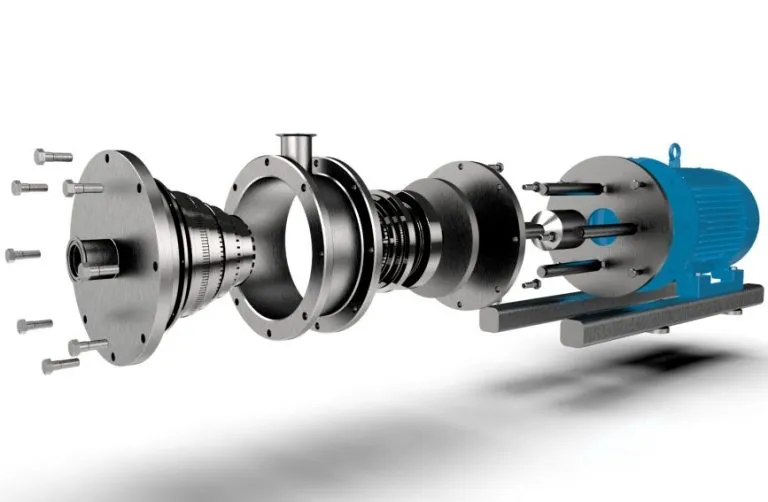
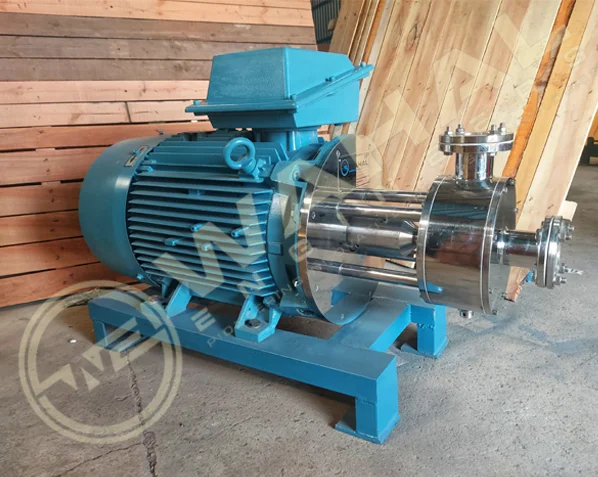
Wahal Engineers' high shear mixers ensure thorough sugar dissolution and fat stabilization during the blending stage of sweetened condensed milk manufacturing — directly supporting the smooth texture and long shelf stability the product depends on.
Complete, rapid sugar dissolution, reducing crystallization risk during storage
Fine fat emulsification, improving resistance to separation over extended shelf life
Consistent batch-to-batch viscosity, supporting reliable fill-line performance
Sanitary, FDA-compliant design for dairy manufacturing environments
Suitable for both batch and continuous processing, matched to production scale.
Wahal Engineers designs and manufactures high shear mixing and homogenization equipment for the pharmaceutical, food, chemical, and cosmetic industries, backed by decades of in-house engineering experience.
Sweetened condensed milk has one of the longest shelf lives of any dairy product, but achieving that stability — a smooth, thick, uniformly sweet product that resists fat separation and unwanted thickening over months or years — depends heavily on how thoroughly the sugar and milk are blended before evaporation even begins.
The Manufacturing Process at a Glance
Sweetened condensed milk is produced by blending fresh or reconstituted milk with a high concentration of sugar, then evaporating a significant portion of the water content under vacuum to concentrate the product. The result is a thick, shelf-stable product where sugar concentration itself acts as a preservative, allowing extended storage without refrigeration.
While this sounds straightforward, two blending-stage factors have an outsized effect on final product quality: how completely the sugar dissolves into the milk base, and how well the milk fat is stabilized against separation during the concentration process.
Why Sugar Blending Quality Matters
Sweetened condensed milk formulations use a high sugar-to-milk ratio — often exceeding what dissolves easily under conventional stirring. Incomplete sugar dissolution before evaporation can lead to:
Sugar crystallization during storage, producing a grainy texture rather than the smooth consistency consumers expect
Uneven sweetness distribution throughout the batch
Processing inefficiencies during evaporation, as undissolved sugar behaves differently under vacuum concentration than a fully dissolved solution
High shear mixing accelerates and completes sugar dissolution far more reliably than paddle agitation, ensuring the full sugar load is uniformly dissolved before the concentration stage — which directly reduces the risk of crystallization later in the product's shelf life.
Why Fat Stability Affects Shelf Life
Milk fat that isn't properly emulsified and stabilized during processing is prone to separating out during the extended shelf life sweetened condensed milk is expected to have. Over time, this shows up as visible fat layering or an oily surface in the can — a defect that becomes more likely the longer the product sits on the shelf, making processing quality especially important for a product designed for long-term storage.
High shear homogenization breaks milk fat down into fine, evenly distributed droplets, significantly improving resistance to this kind of separation over the product's extended shelf life.
Frequently Asked Questions
Why does sweetened condensed milk sometimes
develop a grainy texture over time? Grainy texture is typically caused by sugar crystallization, which is far more likely if the sugar wasn't fully dissolved during the initial blending stage before evaporation.
Why is fat separation a particular concern for this product? Sweetened condensed milk is designed for extended shelf storage, often without refrigeration, which gives fat more time to separate if it wasn't properly emulsified during processing.
Does high shear mixing affect the evaporation stage of production?
Yes indirectly — a fully dissolved sugar solution behaves more predictably under vacuum evaporation than a solution with undissolved sugar particles, improving process consistency.
Is this blending stage different for sweetened versus unsweetened evaporated milk?
Yes — unsweetened evaporated milk doesn't rely on sugar concentration for preservation, so it depends on sterilization rather than the sugar-blending stability considerations unique to sweetened condensed milk.