Industrial Cream and Lotion Manufacturing Plants
In cosmetics and dermatological formulations, emulsion stability, sensory texture, rheological slip, and visual gloss depend on droplet size distribution and complete deaeration. Whether producing lightweight O/W (oil-in-water) face lotions or heavy, occlusive W/O (water-in-oil) barrier creams and petroleum-based ointments, inadequate shear causes droplet coalescence, phase inversion, graininess, or viscosity collapse over shelf life.
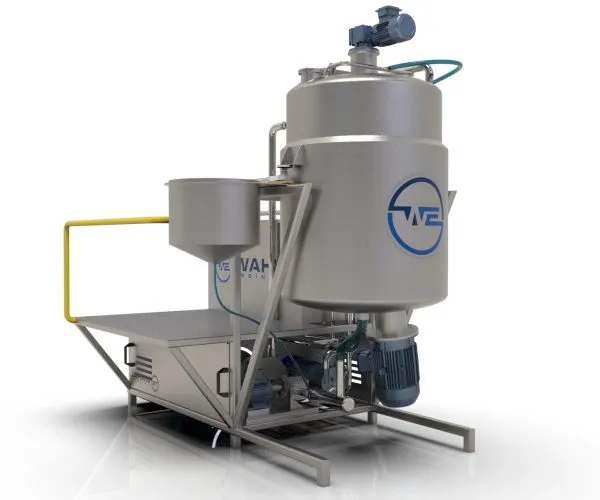
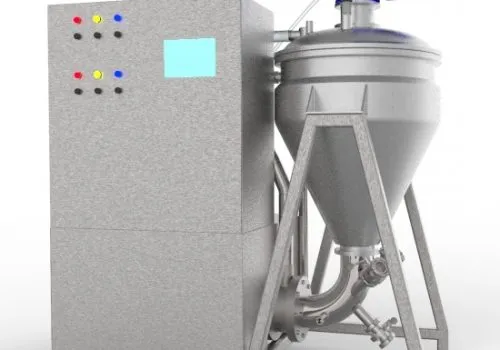
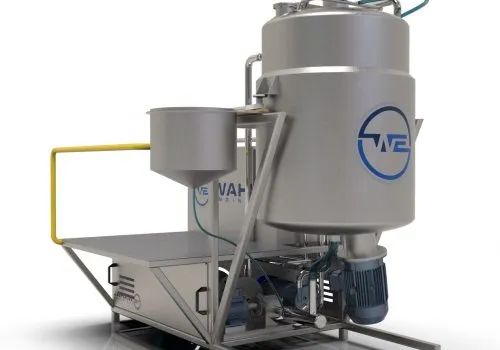
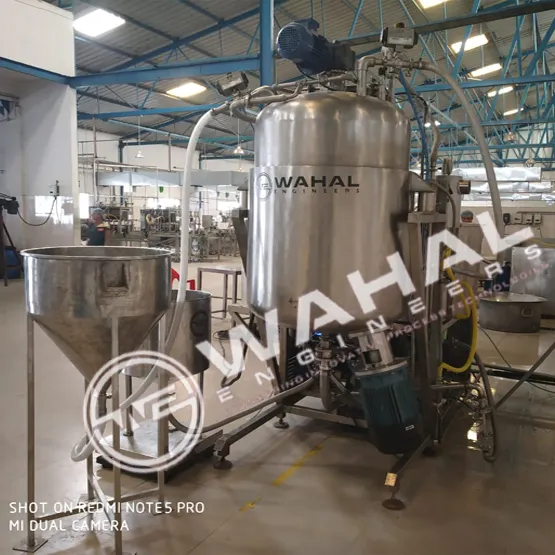
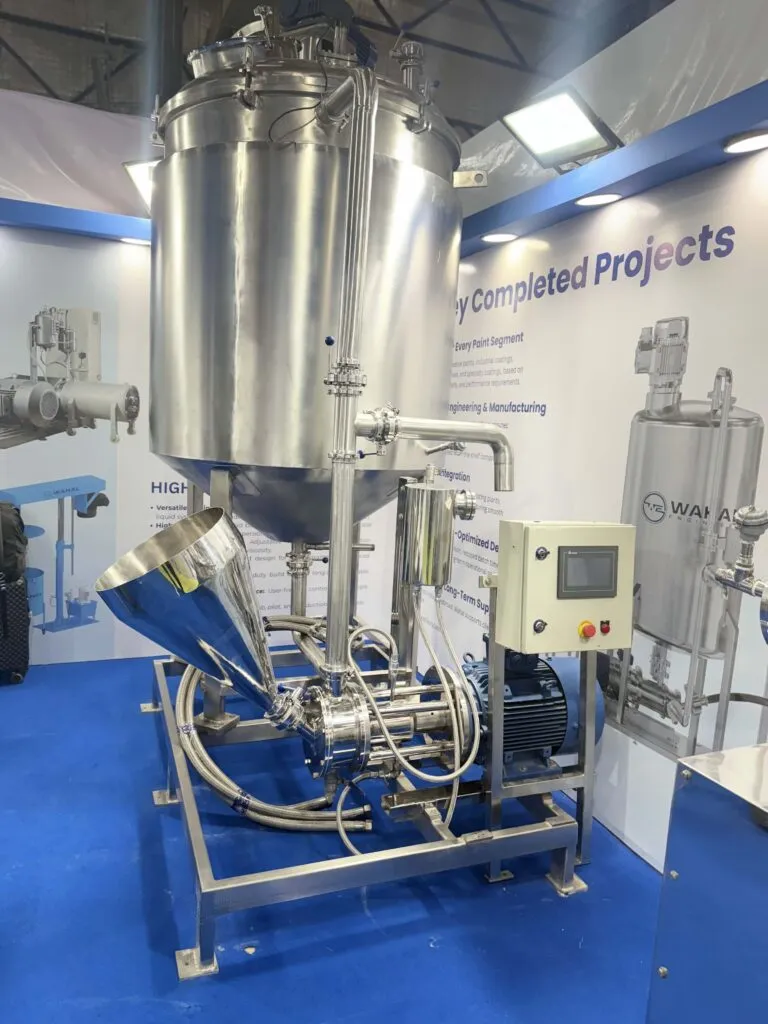
Wahal Engineers manufactures complete turnkey cosmetic cream manufacturing plants that integrate water-phase preparation tanks, oil-phase melting vessels, central vacuum emulsifying mixers, clean-in-place (CIP) skids, and automated PLC control architecture. Built to order from 100 to 20,000 litres, our plants ensure uniform batch-to-batch consistency and velvety cosmetic finish.
Engineering Anatomy of the Wahal Vacuum Emulsifying Mixer
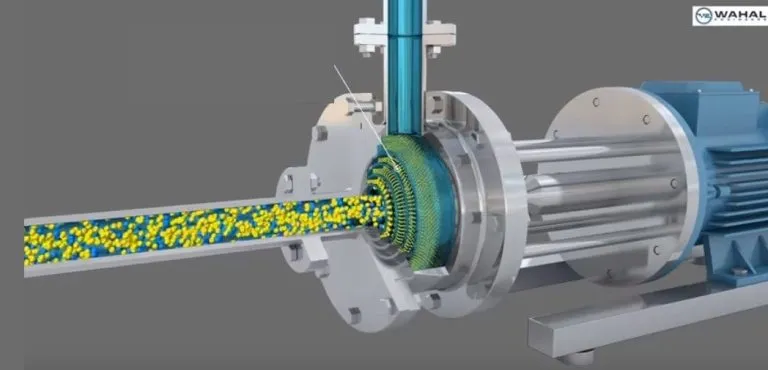
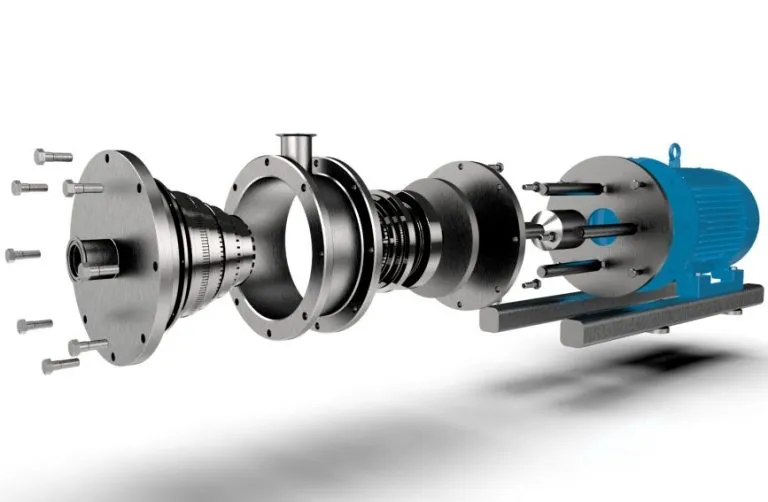
1. High-Shear Rotor-Stator Homogenizer
At the heart of the system is Wahal's precision-machined rotor-stator homogenizing head. At high tip speed, the rotor draws the immiscible oil and water phases into the shear zone with intense centrifugal force. The materials are forced through tight precision radial gaps in the stator, where they endure simultaneous high-frequency mechanical shear, cavitational implosion, and extreme hydraulic turbulence. This reduces droplet diameters to a fine, uniform size. Smaller droplets cream far more slowly (Stokes' law), which keeps the emulsion stable through its shelf life.
2. Contra-Rotating Anchor Agitator with Scrapers
High-viscosity creams create a stagnant boundary layer against heated or cooled vessel walls. Wahal's dual-action agitator combines a slow-speed outer anchor frame with internal counter-rotating pitch-blade impellers. The outer anchor is fitted with scrapers that continuously sweep the cylindrical and conical sidewalls. This ensures:
- Full-Surface Heat Exchange: Rapid heating to 80°C and efficient cooling to 35°C without burnt crusting or thermal degradation.
- Bulk Turnover: Viscous creams are constantly driven downward toward the bottom homogenizer inlet, eliminating dead zones in large batches.
3. Complete Vacuum Processing Environment
Operating under deep vacuum provides three decisive manufacturing advantages:
- Dust-Free, Clean Raw Material Transfer: Gums, powders, and liquefied phases are sucked directly into the vessel without manual handling or exposure to atmospheric cleanroom dust.
- Low Aeration & Silky Gloss: Entrained air accelerates rancidity and microbial spoilage while turning clear or glossy creams dull and spongy. Vacuum deaeration removes all microscopic air voids, producing a smooth, glossy surface finish.
- Reduced Oxidation: Delicate botanical extracts, unsaturated fatty acids, and active vitamins are safeguarded against oxidative degradation.
Sizing Your Cream & Lotion Plant
Wahal builds each cream and lotion plant to order instead of selling fixed models. Vacuum mixing vessels are made from 100 to 20,000 litres and inline homogenizers from 15 to 200,000 litres per hour, so the line is sized to your batch and daily output.
To prepare a quotation, our engineers ask for:
- the products you plan to make and their viscosity range
- batch size and the number of batches per day
- heating, cooling and vacuum requirements
- the level of automation and recipe control you want
- whether raw material storage, finished product storage and filling are in scope
cGMP Standards & Quality Construction
Wahal cream and lotion manufacturing systems are built to cosmetic cGMP requirements:
- Wetted Materials: AISI 316L stainless steel with contact surface electro-polishing, for complete drainage and easier cleaning between products.
- Jacket Design: High-efficiency jacket for steam heating and chilled water cooling, with insulation and stainless steel cladding.
- Hydraulic Tilting / Lid Lifting: Push-button hydraulic cylinder system lifts the vessel top dome for rapid visual inspection, deep manual sanitization, and maintenance access.
- Clean-In-Place (CIP): Integrated orbital spray balls cover the full internal vessel surface.
Frequently Asked Questions (FAQ)
What is the difference between a vacuum emulsifying mixer and a standard planetary mixer?
Standard planetary mixers use rotating vertical blades that knead viscous pastes at low to medium shear. While effective for dense doughs, they cannot produce the intense hydraulic shear required to break cosmetic oil droplets to a fine, uniform size, and they lack bottom-mounted rotor-stator shearing. Wahal vacuum emulsifiers combine high-shear rotor-stators with scraped anchor agitation under deep vacuum, ensuring stable, non-separating emulsions with high surface gloss.
Can the same machine manufacture both low-viscosity lotions and heavy cold creams?
Yes. By utilizing variable frequency drives (VFD) on both the high-shear homogenizer and the contra-rotating anchor agitator, operators can program recipes ranging from free-flowing body lotions (5,000 cP) to dense cold creams, petroleum jellies, and pharmaceutical barrier ointments (up to 100,000 cP).
Can we validate our emulsion formulation before manufacturing machinery?
Yes. Wahal welcomes cosmetic formulators, R&D teams, and manufacturing heads to our pilot facility in Sonipat, Haryana. You can trial your specific oil-to-water ratios, emulsifiers, and rheology modifiers on our pilot vacuum emulsifiers and rental units to establish precise cycle times, heating profiles, and finished product stability.
What does a cosmetic cream making machine cost?
The price of a cosmetic cream making machine depends on vessel size, vacuum and heating requirements, the homogenizer and the level of automation. Tell us your batch size and products (face cream, body lotion, ointment) and Wahal will quote for a cream mixer machine, a lotion making machine or a complete plant.